
Why Cheap Generators Are Killing Your Electronics
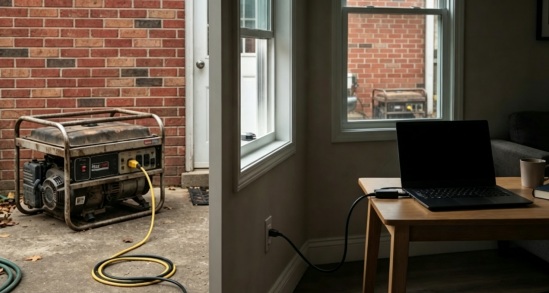
Are you dependent on an energy backup generator to supply power to your home during an outage, only to discover your laptop’s screen flickering or your CPAP machine is failing? You aren’t alone. Many homeowners are unaware of the damage they do to their most sensitive equipment by making use of the High THD Generator that pumps “dirty power” into delicate circuits. To safeguard your investment and medical equipment, knowing the power quality is vital. You should understand why stable voltage is a must, the technical hazards posed by distortions in the total harmonic spectrum, and the more efficient power options that are available. This way, your electronic devices are safe, perform according to their intended purpose, and remain totally protected if the main power grid goes out of service.
What is “Dirty Power” and Why Does It Matter?
When we think about electricity we usually imagine a smooth continuous flow. But the truth is, the quality of electricity is a lot different depending on the type of generator.
The Hidden Culprit: Total Harmonic Distortion (THD)
Quality of the electrical power output can be assessed through its total harmonic distortion (THD). An extremely high THD generator generates an electric current which is “noisy” or distorted. As opposed to smooth waves the power is delivered in irregular, jagged surges. In terms of technical terminology, THD represents the deviation of an amplitude from a perfect sine wave. If high THD is present, or “dirty power” reaches your devices, internal components are unable to handle the unpredictability of voltage, usually which can cause excessive heat or even permanent damage.
Why Sensitive Electronics Can’t Handle It
Modern electronics like laptops, tablets, smart TVs , and medical devices such as CPAP machines, depend on Switched-Mode Power Supplies also called SMPS. These power supplies are built to change the AC energy from the wall outlet into the steady DC power that your gadget needs.
They’re meant to run on the nice kind of electricity from utility providers, which usually keep a THD under about 3% . But when they are fed by a high THD generator, delicate power sources are forced to work more than they should which causes stress on the components as well as premature breakdown.
Standard Generators vs. Inverter Generators
To understand the solution, we must distinguish between standard frame generators and modern inverter technology.
The following table highlights the critical differences:
| Feature | Standard Frame Generator | Inverter Generator |
| Power Quality | Contains high THD (“dirty power”) | Low THD (Clean power) |
| Waveform | Irregular or Modified Sine Wave | Pure Sine Wave |
| Best For | Heavy-duty tools & machinery | Laptops, CPAP, sensitive electronics |
| Circuit Safety | Low (Risk of damage) | High (Safe and reliable) |
| Efficiency | Fixed speed, noisier | Variable speed, fuel-efficient |
The Problem with Standard Frame Generators
Most low-cost, standard frame generators are built for heavy-duty tools—think circular saws or construction drills. These devices are robust and don’t care much about the quality of the electricity they receive. Consequently, these generators are often built as high THD generators because manufacturers prioritize raw output over waveform purity.
The Inverter Advantage
In contrast, low THD generators—specifically inverter generators—use a multi-step process to ensure clean power:
- Generation: The engine generates AC power.
- Conversion: It is converted to DC.
- Inversion: A microprocessor “inverts” the power back into a stable, pure sine wave.
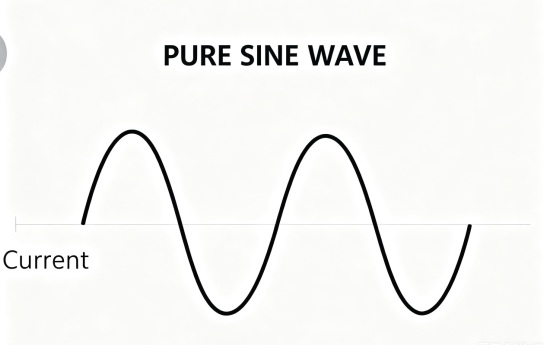
By using this advanced technology, low THD generators achieve a THD of less than 3%, mirroring the power quality you would receive from your local utility company. This makes them the only truly safe choice for sensitive electronic equipment.
How to Protect Your Gear During Outages
Security of high-value medical equipment and electronics in the event of a power failure is not a requirement for an engineering degree, however it is a matter of selecting the appropriate equipment. To ensure that your equipment remains operational, use these key methods for ensuring reliable backup power:
Avoid the “High THD” Trap
Construction-grade units are often high THD generators that output erratic, “dirty” power unsuitable for delicate circuitry. If a product manual fails to specify a low THD level, you should treat it as a high THD generator and avoid connecting it to your home office or critical medical equipment.
Invest in Inverter Tech
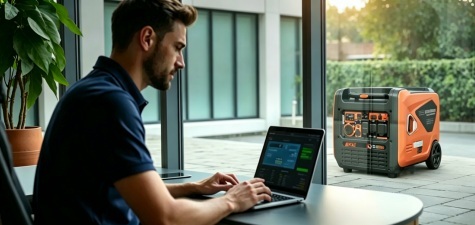
If you really want peace of mind, go for low THD generators, like AIVOLT. These specialized units use microprocessor-controlled inverters, transforming raw power into steady pure sine wave output. So your modern gadgets get the tidy, consistent electricity they want, not the rough kind.
Check Your Technical Details
Before you buy anything, make sure you verify the generator’s THD rating. For home use, less than 5% is often treated as the industry gold standard. Staying under that figure is a very reliable way to shield your appliances from power-related wear and tear ,and other nasty damage.
Frequently Asked Questions (FAQ)
Q: How can I tell whether my generator has high THD?
A: If it’s an ordinary, non-inverter portable generator, it’s almost likely to be a high THD generator. Review the specifications of the manufacturer for reputable brands. They will mention the percentage of THD they have.
Q Do you think an inverter generator is actually better than my CPAP machine?
A: Yes. CPAP machines utilize motors that are sensitive and pressure sensors that require constant clean voltage. The use of low THD generators, the motor is prevented from overheating, humming or failing in the middle of the night.
Q: Does AIVOLT satisfy the requirements to “Clean Power”?
A: Absolutely. AIVOLT portable generators are designed to limit harmonic distortion, and ensure that the power produced is safe for all of your electronic devices.
The choice is simple: you can either invest in a high-quality, low THD generator today or risk expensive repairs for your home electronics tomorrow. Power quality is not just a technical specification—it is an insurance policy for your laptop, your medical equipment, and your peace of mind. By switching to inverter technology, you ensure that when the lights go out, your life continues without interruption. Explore the full range of safe, reliable power solutions at AIVOLT Portable Inverter Generators to find the perfect match for your home backup needs.