
Running Inverter Generators in Parallel: How to Do It Safely
You’re mid-trip in your RV, the summer heat hits, and your single inverter generator can’t keep the air conditioner running while charging devices and powering the refrigerator. Or the power goes out at home and your generator handles the essentials — but not all of them. This is exactly the scenario parallel operation was designed to solve. Instead of buying a single large, expensive, heavy generator, running two inverter generators in parallel lets you combine their output, double your available power, and keep flexibility built into your setup. Here’s exactly how to do it safely and correctly.
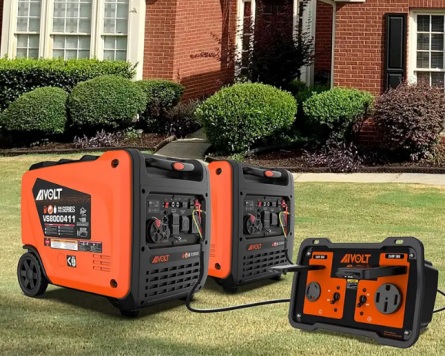
What Is Generator Parallel Operation — and Why Does It Make Sense?
Parallel operation links two inverter generators compatible so that their outputs of electricity are merged into a single, larger capacity power source. If properly synchronized both units have the same load- each contributing their rated output to the total.
A standard inverter generator with a power output of 2,200 watts that is running in tandem with a comparable unit gives around 4,400 watts of available power. That’s enough to power an 15,000 BTU RV air conditioner (which will require about 3500 watts in order to get started) or power tools at the job site or keep a home operating during an extended power interruption.
Beyond the raw wattage, parallel operation provides three advantages over buying a larger generator
- Flexibility: Running light loads? Keep one unit off entirely and save fuel. Need full power? Bring both online in minutes.
- Portability: Two 50-pound inverter generators are far easier to transport, store, and maneuver than a single 100+ pound conventional generator.
- Redundancy: If one unit develops a problem, the other continues operating independently — you’re never left with zero power.
The Non-Negotiable Rules Before You Connect Anything
Getting parallel operation wrong doesn’t just reduce efficiency — it can damage sensitive electronics, trip circuit breakers, or create electrical hazards. These matching rules exist for good reason.
Use Identical or Manufacturer-Approved Compatible Models
The safest parallel setup uses two generators of the same make and model. Inverter generators produce AC power by first converting to DC and then inverting back to AC — a process that allows precise control of voltage and frequency. Two identical units will produce output that is nearly perfectly synchronized in phase and frequency, which is what parallel operation requires.
Mixing brands or models introduces the risk of phase mismatch, voltage imbalance, or frequency offset. Even small discrepancies can cause current to circulate between the generators rather than flowing usefully to your load — damaging both units in the process. Some manufacturers publish approved compatibility lists for parallel operation between different models; consult your owner’s manual before assuming any two units will work together.
Use a Manufacturer-Certified Parallel Kit
A parallel kit (sometimes called a parallel cable or parallel connection kit) is the dedicated interface between two generators. It manages the electrical connection, balances load distribution between the units, and typically includes a combined output panel with circuit protection built in.
This is not a component to improvise. DIY cables, or aftermarket adapters that are not rated for your exact generator models, can skip the load-balancing circuitry. That can leave you exposed to overload, short circuit, or even a fire hazard. Use the parallel kit specified by your generator manufacturer — it is designed to match the impedance and output characteristics of your exact units.
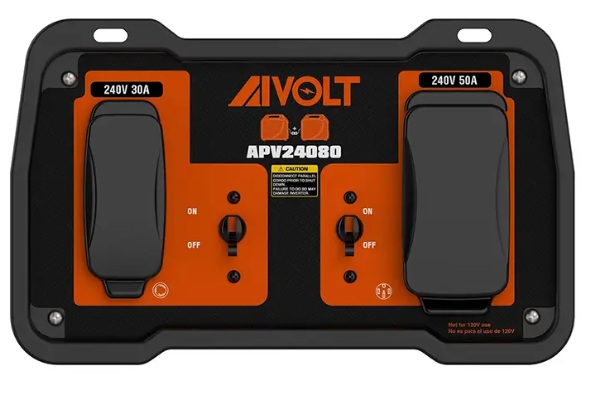
Confirm Both Units Are Parallel-Ready
Not every inverter generator supports parallel operation. Look for a dedicated parallel port on each unit — usually a covered outlet clearly labeled “Parallel” or carrying a parallel symbol. If one of your generators doesn’t have that exact port then it was not built for parallel use, and honestly no “creative workaround” makes it safe to try anyway.
Step-by-Step: How to Connect Two Inverter Generators in Parallel
Once you confirm both units are actually compatible and you also have the right parallel kit, then the whole thing tends to be pretty direct.
Step 1 — Prepare your setup. Place both generators on a stable, level surface with adequate clearance on all sides for ventilation. Both units must be fully switched off before any connections are made. Never connect or disconnect the parallel kit while either generator is running.
Step 2 — Connect the parallel kit. Plug each end of the parallel cable into the corresponding parallel port on each generator. Ensure each connection is seated firmly. The parallel kit’s output panel — which carries the combined power — should now be positioned accessibly between the two units.
Step 3 — Confirm grounding. Make sure each generator is grounded correctly based on what the manufacturer tells you. Proper grounding matters even more for parallel systems , because you’re basically combining two power sources and you need a safe, reliable path for a fault current if something acts up.
Step 4 — Start both generators. Start each generator individually following your normal startup procedure, and allow both units to reach stable idle speed before proceeding. Most inverter generators will indicate stable operation through a steady indicator light or absence of warning signals.
Step 5 — Connect your load. Once both units are running stably, plug your appliances or power cable into the output port on the parallel kit — not directly into either generator’s individual outlets. Bring loads online gradually rather than connecting everything simultaneously.
Step 6 — Disconnect in the correct order. When finished, unplug all connected devices first, then shut down both generators, then disconnect the parallel kit. Reversing this order risks creating a voltage spike through connected equipment.
Safety Precautions You Cannot Skip
Never run generators indoors, in garages, or near windows. A single inverter generator emits carbon monoxide while two simultaneously run increase it exponentially; according to U.S. Consumer Product Safety Commission’s estimates, generator-related carbon monoxide poisoning kills hundreds annually — most often when operated near enclosed spaces such as garages. When running in any enclosed environment such as garages or sheds. Allow at least 20 feet between any structure opening and your generators.
Respect the 80% Load Rule: Even with two generators running parallel, do not exceed 80% of their combined rated wattage; so for two 2,200-watt generators that create 4,400 total wattage when connected in series, your total connected load should never go beyond 3,500 watts. Operating continuously at 100% capacity accelerates engine and inverter component wear as well as increasing risks for thermal protection shutdowns.
Monitor both units during operation. In parallel mode, keep an eye on both generators’ indicator lights or displays. If one unit shows a fault or shuts down, disconnect the parallel kit immediately — continuing to run with only one unit connected through the parallel output can damage the operational generator.