
What Garden Tools Do New Homeowners Need?
The moment you open the door of your first house is a thrilling experience. However, the moment you step into your backyard could quickly cause a surge of anxiety about landscaping. The transition from an apartment to a rental property is a way to take on the responsibility for maintaining a living ecosystem. To keep your backyard from becoming a sloppy forest, having a well-thought-out high-efficiency tool inventory is vital. Instead of buying every device from the local hardware shop new property owners need to be focused on a multi-tiered acquisition plan.Knowing the best manual tools to own, what power tools provide the greatest effectiveness, and the best way to keep your garden on budget allows new homeowners to manage their property with ease and avoid costly expenses.

Tier 1: The Essential Manual Tools (The Starter Kit)
Before jumping into high-tech machinery, every residential property kinda needs a foundational layer of non-powered manual implements. Like really, these are your everyday workhorses—basic tools you’ll grab when you’re doing that first weekend of small adjustments, soil turning and general prep work.
- The Ergonomic D-Handle Shovel: Really important for putting in new shrubs, moving mulch, or edging flower beds. Try to get a heavy-duty forged steel head with a fiberglass shaft, so it doesn’t snap when the ground is heavy, clay-ish and pushy.
- The Standard Bow Rake: Unlike the bendy leaf rakes, a rigid steel bow rake helps with leveling soil, spreading gravel, and breaking up those stubborn clumps that basically refuse to cooperate.
- Bypass Pruning Shears and Loppers: for tidy cuts on living stems and smaller branches. Using high-carbon steel bypass pruners gives you cleaner slices, so the plants can heal properly and hopefully keep nasty botanical diseases from moving in.
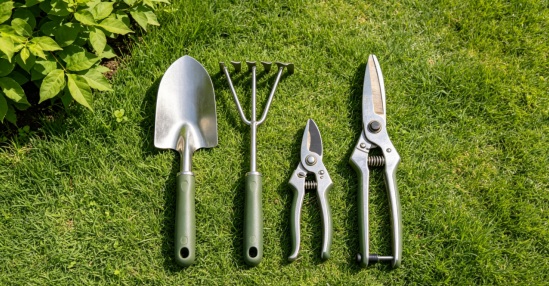
Now, sure, these manual tools are great for localized, smaller scale gardening, but only muscle power for those seasonal yard transitions is kinda a shortcut to physical exhaustion and long-term back strain. If you want to actually guard your time and physical health, switching to specialized power equipment is more like a logistical necessity than a “nice to have” situation.
Tier 2: The Autumn & Spring Game- Changers (Taming the Leaf Mayhem)
Talk to any long-time homeowner and you’ll keep hearing the same answer, loud and clear—leaf pile ups. When fall shows up, a mountain of mature leaves can smother your lawn in just a few days. If you just let it sit, that thick little blanket blocks important sunlight, and it also holds onto extra moisture. Then you get the perfect situation for lawn problems, like snow mold and other nasty diseases.
Honestly, managing an entire quarter-acre of heavy leaf drop with one of those manual plastic rakes is a huge time sink. That’s when a high-velocity Leaf Blower goes from “weekend treat” to a total property necessity. You know, the kind of tool you suddenly can’t live without once you’ve tried it.
For newer homeowners, skipping the old-school gas-powered blowers is pretty reasonable. Gas engines usually require complicated fuel-to-oil mixing, regular spark plug swaps, and they also need winterization procedures. On top of that, they’re often heavy and the noise level can end up feeling like a neighborhood argument, especially if you just moved in.
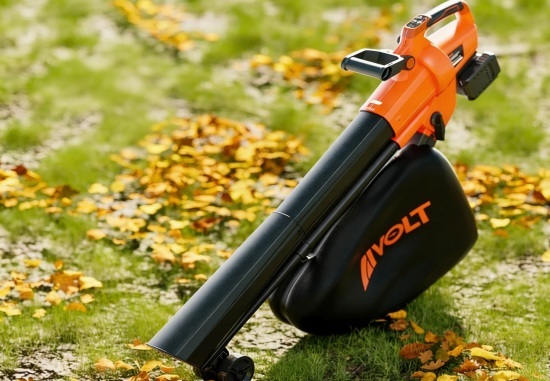
A smart swap is the newer lithium-ion eco system, the kind shown by the AIVOLT 40V Cordless Leaf Blower. This lighter, ergonomic device gives you gas-like clearing power, but with zero maintenance and a simple push-button start. With cruise control style speed, plus turbo air-velocity settings, it moves dense wet leaves off driveways and bigger turf areas in way less time. And choosing battery powered outdoor gear helps first-time owners handle weekly yard cleanup without worrying about restrictive power cords, or the whole fuel mess.
Tier 3: The Money-Saver Tool for Overgrown Branches
Another hidden cost of homeownership is the maintenance of trees and shrubs. The mature landscape requires regular pruning of the structure to get rid of dead weight, storm damage and low-hanging risks. But, after cutting the overgrown branches there is a huge issue with the disposal. The large heaps of woody waste can’t be simply stuffed into normal municipal garbage bins.
According to data put together by HomeAdvisor, the usual price to bring in a professional landscaping crew for one yard debris haul, sits around $200 to $550 per visit. If you’ve got a property with a bunch of mature trees, the fees stack up really quickly . A dedicated Wood Chipper allows homeowners to manage their garbage management, turning an expense into a useful resource.
Its AIVOLT 1800W Wood Chipper Shredder is specifically designed to tackle this problem for homeowners. It is powered by a powerful, silent electric motor, the small unit immediately crushes tree branches as large as 1.57 millimeters in width. It also reduces large amounts of yard waste with a staggering ratio of 10:1.
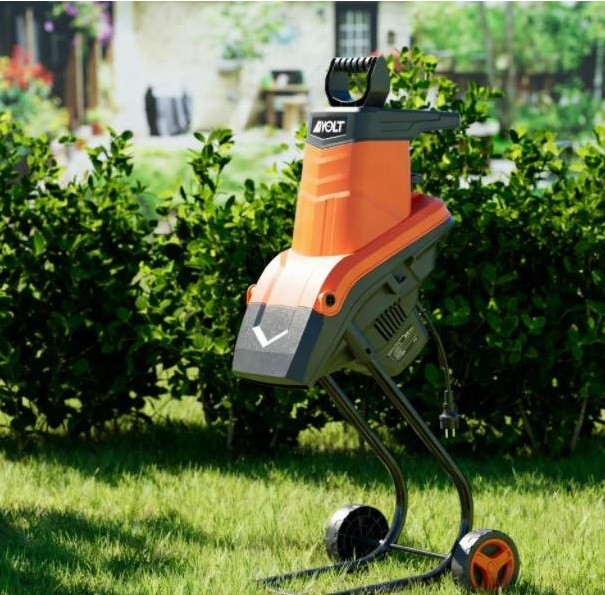
From a sustainability perspective this tool provides an additional benefit:
Eliminates Disposal Costs: It transforms huge unmanageable brush piles small, baggable organic material.
It also generates free garden mulch Wood chips that are finely that are produced can be reused throughout your property. Indirectly poured back into the plant gardens and around the base of your trees This mulch is free and acts as a natural barrier to protect your garden, retaining vital soil moisture, regulating temperatures of the roots and stopping the growth of weeds. This simple DIY method will save you from spending money on commercial bags of mulch each spring.
How to Choose Smart and Avoid “Tool Regret”
When you are constructing your first inventory of tools Be aware of these fundamental guidelines in mind will assist you avoid costly purchasing mistakes:
- Cordless for Mobility Corded for Unlimited Runtime: For devices that require users to travel across your entire property line, such as leaf blowers or string trimmers, always choose wireless lithium-ion devices. For stationary, high-draw equipment that is positioned in a single location for the duration of operation, such as pressure washers or wood chippers–heavy-duty corded electric models can provide steady, uninterrupted power, without the danger of battery loss halfway through a large project.
- Make a commitment to a single battery Ecosystem: When you purchase cordless tools, you should stay with one manufacturer’s battery line. If you purchase “bare tools” (machinery sold without a battery or charger) could reduce your costs by 30 percent to 50% off the future purchases once you have the basic power cells.
- Budget wisely for personal Protective Equipment (PPE): Don’t operate machinery that is heavy without safety equipment. The initial list of purchases should include ANSI-rated safety glasses as well as heavy-duty leather work gloves and hearing protection that is high-decibel.