
Cut Yard Work Time with a Leaf Blower Vacuum Mulcher
Yard work can become an all-day project, especially in fall weather conditions and after a storm. The process of raking leaves, collecting debris, bagging the waste, and transporting it requires more time than you predict .If you’re seeking a better method to keep your lawn looking good and speed up cleanup using the leaf blower, vacuum mulcher could be the answer.
As opposed to switching a variety of tools, this machine allows you to blow, vacuum and mulch debris effectively. Learn how to dramatically reduce time spent working in the yard with the correct approach and the appropriate tools.
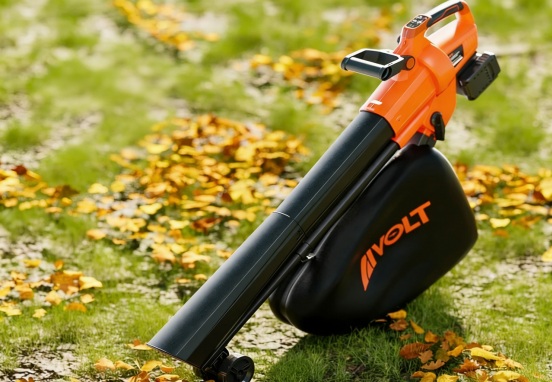
5 Methods to Shorten Yard Work Time using this Tool
1. Start by blowing debris into Central Zones first
One of the biggest errors homeowners make is to vacuum leaves as soon as they fall. This is a waste of energy and time.
The quickest method is:
- Start blower mode
- Move loose leaf and other debris to central piles
- Sections of work rather than at random
By combining leaves first it reduces the number of trips and ease the burden on the vacuum system. The cordless devices like AIVOLT 40V leaf blower vacuum mulcher provide the freedom to move around without requiring extension cords to manage and make this process more efficient.
Pro-Tip: Be sure you blow according to the direction of wind to improve effectiveness and decrease resistance.
2. Switch to Vacuum Mode for Dense Leaf Clusters
When the debris has been gathered into manageable piles, switch into vacuum mode.
This is why the blower vacuum mulcher can save the most time in comparison to rakes that are traditional. Instead of manually dumping leaves into bags and bags, the vacuum function removes them in just a few just a few seconds.
For best results:
- Reduce the intake a bit for large leaf piles
- Use a moderate speed to avoid blockages
- Be careful not to overfill the bag with collection materials.
If you’re dealing with damp leaves, you should move them down to ensure you’re getting a steady flow of air. A motor that is powerful and 40V ensures consistent suction, and is not limited by lower voltage tools.
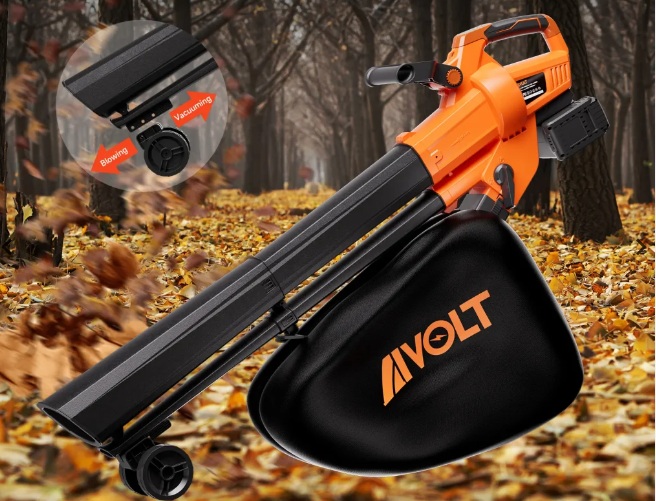
3. Mulch as You Go to Reduce Disposal Time
The mulching feature can really cut down on the time needed to work in the yard.
Instead of filling up multiple backyard garbage bags with waste, the mulcher chops leaves into small particles. This significantly reduces the amount of waste, usually at 10:1 or more, depending on the type of leaf.
Benefits of mulching in cleanup:
- Fewer trash bags required
- Simple transportation and removal
- Alternative to recycle mulch from gardens
- Cleaner and faster overall process of cleaning
Instead of having to make multiple removal trips, complete all of them in one trip. In time, this drastically reduces the workload during the season.
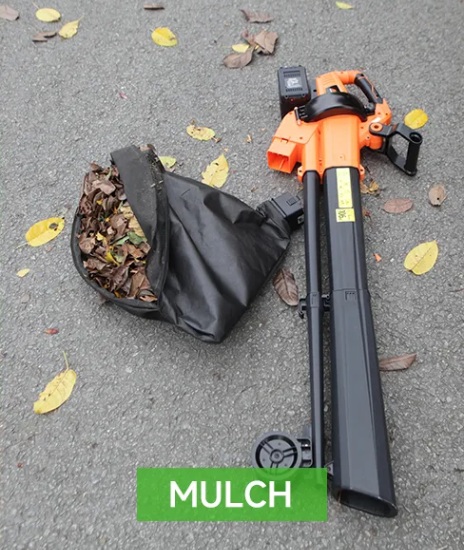
4. Use an Efficient Cleaning Pattern
The random movements in your yard results in the double effort. Instead, follow a planned pattern:
- Dividing the yard in zones
- Blow leaves towards the center of each zone.
- Vacuum and mulch a section at a time
- Finalize by cleaning up detail around corners and edges.
This technique prevents backtracking and guarantees complete coverage, without wasting time. For patios and driveways begin at the outside edges, and then move inward. For lawns, follow straight lines similar to mow grass.
Efficiency doesn’t only mean power. It’s concerned with workflow.
5. Manage Battery Life to Avoid Downtime
For the cordless leaf blower and mulchers battery management is important.
To maximize runtime:
- Use lower speeds for light debris
- Reserve high power for dense leaf piles
- Make sure you have a spare battery available for large areas
- Fully charge prior to beginning big cleanup sessions
The 40V battery typically has powerful suction and airflow and a high degree of the flexibility. With the proper management of your battery it is possible to complete moderate-sized yards in one session.
There is nothing more wasteful than the need to recharge mid-cleanup. Planning ahead will ensure that your workflow runs smoothly.
Real-Life Yard Cleanup Scenarios
Large Backyard Fall Cleanup
After heavy leaf fall After heavy leaf drop, use a blower to collect leaf debris into windsrows (long row). After that, vacuum them into sections and mulch the leaves immediately. This technique can cut down cleanup time by almost half as compared to just raking.
Driveway and Walkway Maintenance
Hard surfaces collect leaves quickly. A blower vacuum mulcher removes debris in just a few minutes without scratching surfaces as metal rakes do.
Weekly Light Maintenance
Instead of letting the debris build up instead, make use of the blower every week. Fast maintenance will prevent a hefty spring cleaning later.
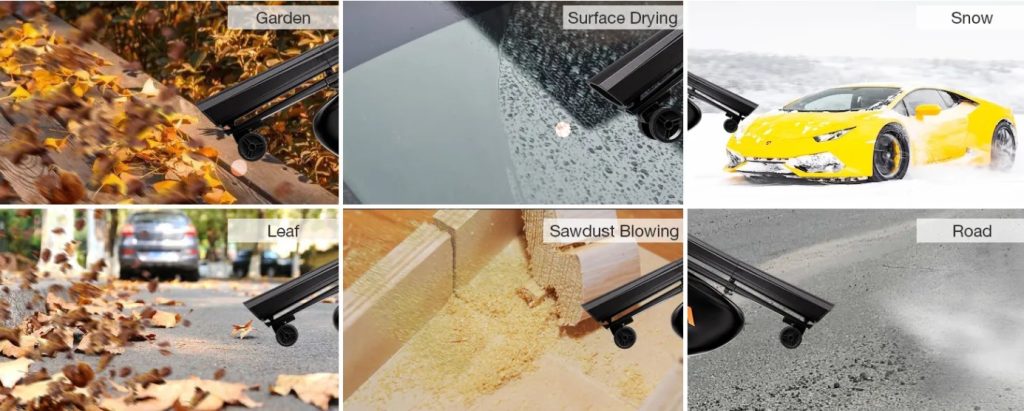
Traditional Tools vs Blower Vacuum Mulcher
| Method | Time Required | Physical Effort | Efficiency |
| Rake & Bags | High | High | Low |
| Blower Only | Medium | Medium | Moderate |
| Vacuum Only | Medium | High | Moderate |
| Blower Vacuum Mulcher | Low | Low | High |
The combination of blowing, vacuuming, and mulching eliminates tool switching and repetitive manual labor.
Maintain Your Tool for Long-Term Efficiency
To ensure consistent performance:
- Clean the intake after each use
- Empty the collection bag promptly
- Check blades periodically for wear
- Store in a dry area
Proper maintenance keeps airflow strong and extends the life of your equipment.
Work Smarter, Not Harder
The process of reducing yard work time requires better tools and improved methods instead of attempting to complete work at a faster pace. The leaf blower vacuum mulcher provides a complete cleaning solution because it merges multiple cleaning functions into one efficient system.
The combination of organized work processes and battery control and continuous mulching enables you to complete work at a quicker pace while decreasing physical demands and maintaining your yard’s professional appearance throughout the entire year.
AIVOLT cordless leaf blower vacuum mulcher stands as your best investment choice for this year if you want to stop wasting your weekends on yard work.manding commercial operations. However, electric models now provide comparable cleaning strength with far less maintenance, lower noise, and greater ease of use. The electric system delivers power without any complications while the gas system provides extreme durability for industrial operations. The correct investment decision will result from your choice of actual usage patterns instead of relying on outdated beliefs.