
Why Your Portable Electric Pressure Washer Loses Pressure and How to Fix It?
The portable electric pressure washer is among the most convenient devices to clean cars, patios, outdoor furniture, bikes, RVs, and more. Providing strong water pressure, it is still easy to carry, store, and use anywhere there is power.
But like all mechanical devices, it sometimes loses pressure. At this point, cleaning efficiency drops,, and the user may start to become concerned that perhaps something is wrong with the pump or, even worse, the machine itself. The good news is, most pressure loss problems are easy to identify and even easier to fix.
This guide explains why a portable electric pressure washer loses pressure, how to diagnose the problem, the most effective fixes, and how to prevent pressure drop in the future.
Why a Portable Electric Pressure Washer Loses Pressure?
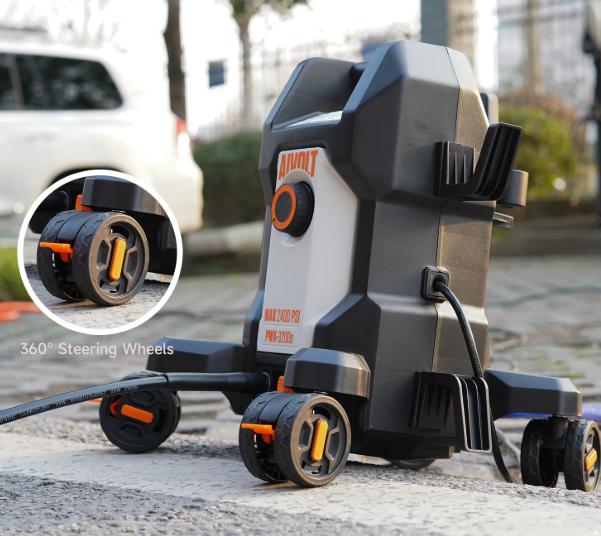
There can be a number of reasons for low pressure in a portable electric pressure washer, with the most common causes relating to water flow, nozzle condition, or pump performance.
- One of the most common causes is an inadequate water supply. If the faucet or water container cannot deliver enough constant flow, the pump simply cannot generate the pressure needed to clean effectively.
- Other common problems include a clogged or worn-out spray nozzle. The buildup of dirt, sand, and mineral deposits in the water flowing through the nozzle restricts water output. Conversely, a worn-out nozzle will allow too much water to escape and disperse the pressure.
- Leaks in the hose or connectors are other common sources of significant pressure losses. Small-scale air leaks around O-ring locations or quick-connect fittings can disrupt the smooth flow that the pump is trying to produce.
- Another often-overlooked factor is the dirty inlet filter, the more debris it will trap, the harder the pump pulls to suck in adequate water.
- Finally, internal wear within the pump itself can cause inconsistent pressure, such as aging seals or valves that stick.
These are the factors that can be improved upon to restore performance of the high-pressure washer.
How to Diagnose Pressure Loss in a Portable Electric Pressure Washer
First of all, finding out why a portable electric pressure washer has lost pressure involves a simple series of checks. Most of the time, the cause involves inconsistent power, restricted water flow, or small leaks in the system. The cause can usually be determined with a quick visual and functional inspection.
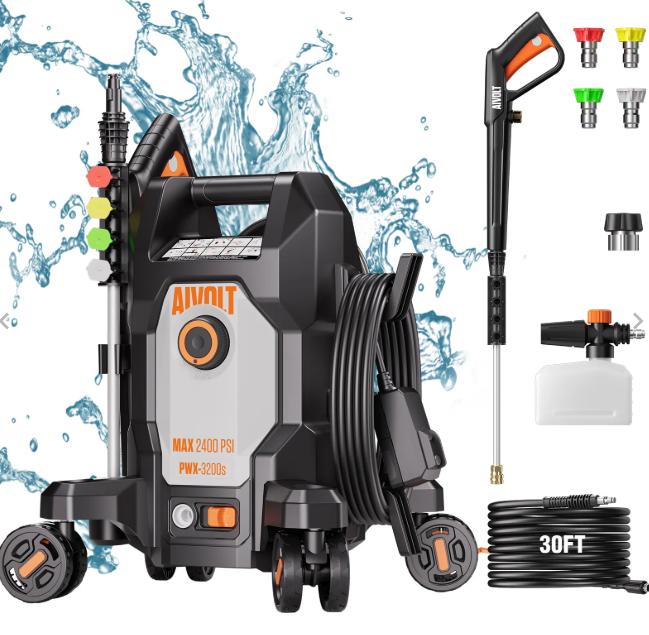
Start with These Key Diagnostic Steps:
- Check the power supply. A voltage that is not stable or an inappropriate extension cord diminishes full output from the motor.
- Check the water source. The faucet or bucket should dispense a constant, uninterrupted flow; a weak supply equates to weak pressure.
- Inspect hoses and connectors. They should be inspected for any air leaks, loose fittings, worn O-rings, or cracks that may break the pressure cycle.
- Test the spray nozzle. Take it off and run the washer briefly; if the pressure increases, then this may be a clogged or worn nozzle.
- Check the inlet filter. A clogged filter restricts water intake. This is one of the most frequent causes of a pressure drop.
- Listen to the pump. Irregular noise or vibration may indicate internal valve or seal problems that would require attention.
By the time these checkpoints have been reviewed, you will typically have a pretty clear idea where the problem lies. Whether it is a simple cleaning task, a quick replacement of a small part, or a deeper look at the pump, diagnosing the issue properly will ensure that the pressure washer can return to peak performance.
How to Fix Low Pressure on a Portable Electric Pressure Washer
When your portable electric pressure washer starts to lose pressure, it’s usually a pretty simple solution once you discover what has caused the low pressure. For the most part, restoring normal pressure simply requires adjusting the water supply, clearing blockages, or replacing small wearable parts. The table below summarizes the most common causes of low pressure and the corresponding fixes.
| Issue | What It Means | How to Fix It |
| Insufficient water flow | The tap, hose, or bucket cannot deliver enough water | Fully open the faucet, remove hose kinks, or use a larger-diameter hose |
| Clogged or worn spray nozzle | Dirt or mineral buildup restricts water output | Clean the nozzle with a cleaning pin or vinegar; replace if worn |
| Air leaks or loose connections | O-rings or fittings allow air into the system | Tighten fittings, replace O-rings, or swap damaged connectors |
| Dirty inlet filter | Filter screens block water entering the pump | Remove and rinse the filter under clean water |
| Air trapped in the pump | Pump cannot build pressure due to air pockets | Run the washer without a nozzle for 20–30 seconds |
| Internal pump wear | Valves or seals are aging or damaged | Install a pump repair kit or seek professional service |
In most instances, low pressure is not due to one singular failure, but to a combination of small issues, such as a partly clogged nozzle and a somewhat dirty filter. For optimum results, all water flow elements should be cleaned at the same time, rather than just one area. Also, remember using compatible accessories and avoiding long, narrow hoses helps the pump work more effectively. With proper troubleshooting, most pressure-related problems can be resolved within minutes and without the need for costly repairs.
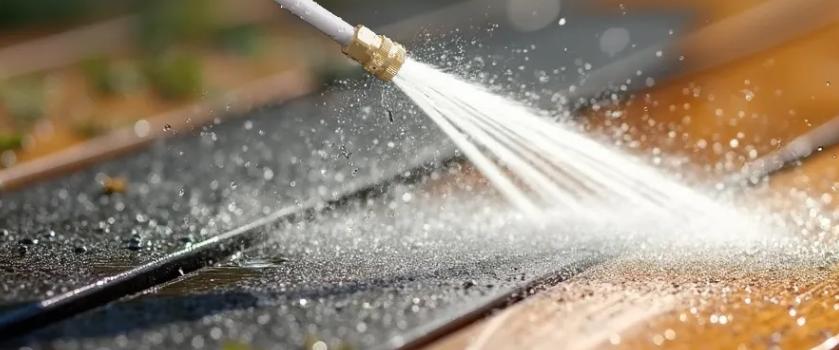
Maintenance Tips to Prevent Portable Electric Pressure Washer from Losing Pressure
Regular maintenance ensures that your portable electric pressure washer stays in top working order. Many of the pressure loss problems can be avoided by taking a few simple precautions that help protect the pump, hoses, and nozzles while extending the overall life of your machine.
Below are the main maintenance tips every user should follow:
| Maintenance Tip | Why It Matters | How to Do It |
| Clean the Nozzle After Each Use | Prevents clogging and mineral buildup that can reduce pressure | Rinse with water, use a soft brush or pin to clear debris |
| Check and Clean the Inlet Filter | Ensures consistent water flow to the pump | Remove the filter, rinse under clean water, inspect for damage |
| Proper Storage | Protects seals and pump from freezing or drying out | Drain water, store indoors at moderate temperatures |
| Avoid Running Idle | Reduces stress on the pump and motor | Only run the washer while actively spraying water |
| Inspect Hoses and Connections | Prevents leaks and air intake, which lower pressure | Look for cracks, loose fittings, or damaged O-rings and replace if needed |
Consistently undertaking these maintenance tips minimizes pressure loss, eliminates costly repairs, and ensures your portable electric pressure washer gives consistent performance each time you apply it. Regular care keeps cleaning efficient and considerably extends the life of your equipment.
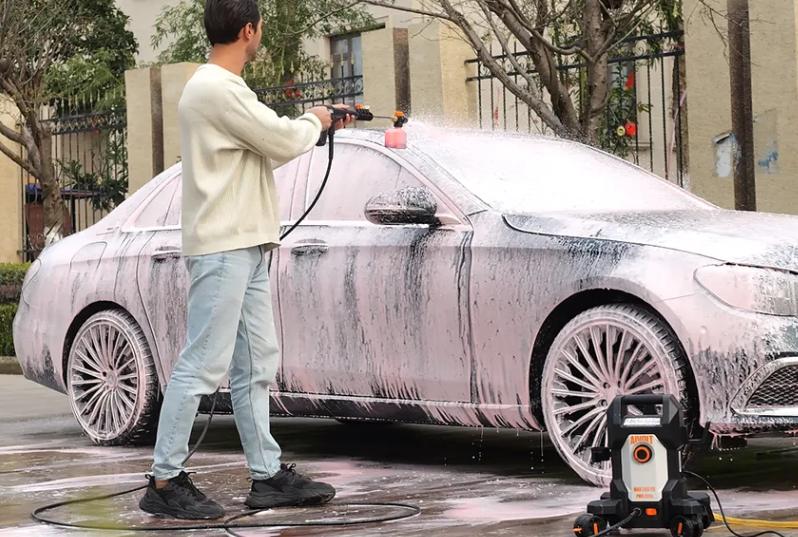
Choose AIVOLT Portable Electric Pressure Washer to Avoid Future Pressure Loss
If you would like a dependable way to minimize the risk of pressure loss, then the AIVOLT Portable Electric Pressure Washer is a great option. Constructed from durable materials for longevity, this model tackles common problems found with conventionally designed washers that may lead to low pressure.
- AIVOLT models feature high-efficiency motors and advanced pump systems that maintain consistent water pressure even during extended use.
- Smart Pressure Control technology prevents sudden drops while protecting internal components from wear.
- Its durable, corrosion-resistant construction ensures long-term reliability, with hoses, connectors, and nozzles thoughtfully designed to reduce the chances of leaks or blockages. In addition to performance, AIVOLT washers are lightweight and easy to transport, making them perfect for home, car, boat, and outdoor cleaning.
- Along with this, AIVOLT washers are much lighter and easily portable, which makes them best for cleaning homes, cars, boats, and outdoors.
With proper maintenance, an AIVOLT unit not only gives strong, stable pressure, but it also greatly minimizes the time and effort one would spend troubleshooting common problems.
With AIVOLT, be rest assured that you are investing in durability and performance. If you have questions on how to choose an AIVOLT Portable Electric Pressure Washer or would like further assistance in selecting the right one for your specific cleaning needs, then we’re here to help; do not hesitate to contact us for more inquiries!