
Why Use a Inverter Generator Parallel Kit Instead of Buying a Larger One?
When your power needs range from 3,000 to 4,000 watts—for instance, to run an RV air conditioner that uses around 13,500 BTUs or to stay powered up during a storm—you’ve got a decision to make. You could go for a single big inverter generator or join forces with yourself by linking two smaller ones using a inverter generator parallel kit.
Big-box stores usually highlight the one-big-unit approach; easier seeming, just one thing to buy and operate. Yet, those who live or work off the beaten path sometimes prefer the two-generator option. It’s not all about raw power either. It matters how well the generators handle in real life—can you move them easily, do they gulp down too much fuel, will they break less, and are they loud or not?
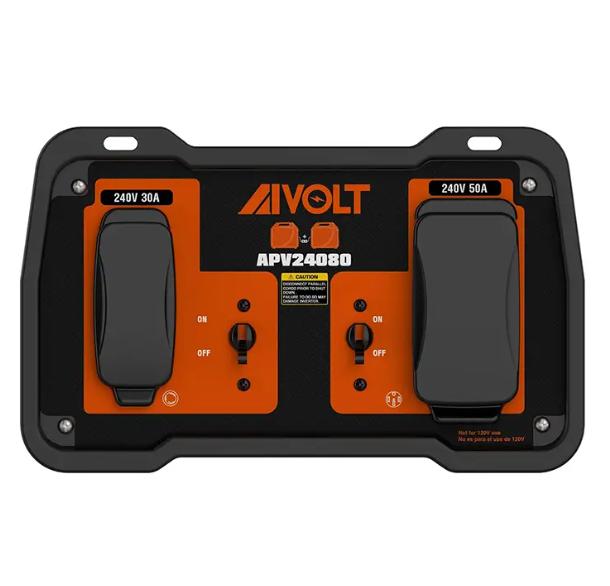
Portability: Back-Breaking Weight vs. One-Handed Carry
The main issue with high-output inverter generators is their weight. A 4,000 to 4,500-watt model typically clocks in between 100 and 130 pounds, that’s without any fuel. Adding gas to the mix makes lifting it into a truck bed, SUV trunk, or RV storage super tough for one person. It usually takes two people, or a loading ramp, or even a winch to get it where it needs to go. If you’re solo or just can’t handle that load, the generator pretty much stays put wherever you leave it.
- [130 lbs Single Unit] –> Requires two people or a ramp to lift.
- [44 lbs + 44 lbs Units] –> Easily carried one in each hand like luggage.
A 2,000-watt inverter generator usually weighs 40 to 45 pounds (18 to 20 kg), which is pretty comfy to carry by hand. Each one fits nicely when you use the top handles. Carrying the load gets easier too, since you can split the power between two units. This way, you don’t have to deal with one heavy setup; moving things around becomes safer and simpler, with no back strain involved.
Scalable Power & Fuel Efficiency
Generators don’t use a set amount of fuel; it depends on how much electricity you take from them. Even at the lowest electrical needs, the engine keeps running to keep everything moving inside.
Think about going camping. At night, your electric usage drops way down. Maybe you just need 200 to 300 watts for a little fan, phone charging, and a few lights.
If you have one big generator, even in economy mode, it still uses way too much gas for such a small load. But if you’ve got two smaller generators set up together, you could shut one off completely. The other one could handle the low power use quietly and efficiently.
So having two small generators rather than one large one really pays off during those times when you don’t need much juice.
When it gets really hot and you need to turn on your RV’s air conditioner, just use the parallel kit. Pull the second unit’s recoil cord, and you’ve got double the wattage. This way, you only use that extra fuel when you actually need it for your appliances.
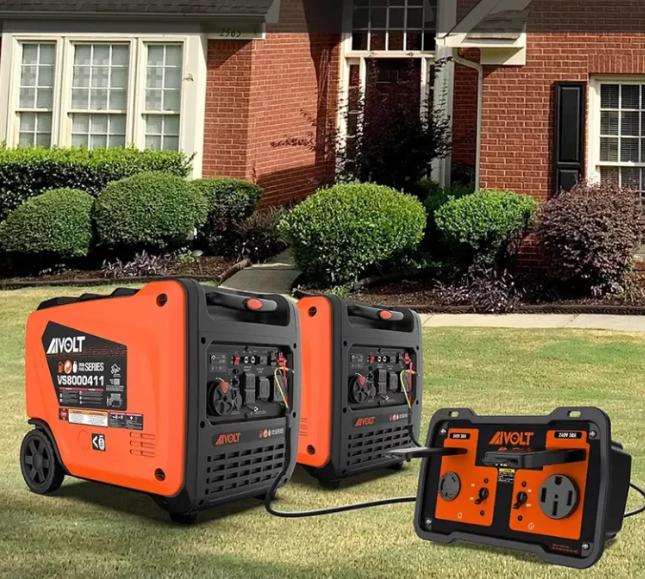
Built-In Redundancy: The “Backup for Your Backup” Plan
Mechanical equipment can fail. Things like clogged spark plugs, fuel that’s gone bad blocking a carburetor jet, or a low oil sensor getting tripped can instantly kill a generator’s performance.
And if you depend solely on a single 4,000-watt unit for power—whether on a remote boondocking trip or during a severe weather outage—and it breaks down, you lose all your power capacity. Then, your food starts to spoil, your climate control goes out, and your devices run out of juice.
| System Failure Scenario | Single 4,000W Generator | Linked 2,000W Generators (Parallel) |
| Engine mechanical failure | Total blackout (0% power remaining) | 50% power remaining (keeps essentials running) |
| Maintenance required | Entire system goes offline | One unit services while the other runs |
| Backup security | No built-in backup | Independent redundancy |
In a parallel setup, two separate engines do the work. Both need to be in great shape to fail simultaneously, which is super unlikely. If one engine dies, you’re left with half your power, but it’s still a lot. You can’t use the big wattage stuff like water heaters or ACs, yet there’s plenty for the essentials. This lets you keep the fridge going, use vital medical equipment, stay connected, and have light when you need it.
Noise Levels: Is Two Louder Than One?
People often think that running two engines at once doubles the noise at your campsite or home. But sound physics doesn’t work that way – decibels measure sound on a logarithmic scale.
If you run two identical engines, the noise only goes up by about 3 dBA, not twice as much. What really matters is the engine RPM; that dictates how noisy it is. So, just know doubling the engines doesn’t mean double the noise.
A single large generator cranking out 2,500 watts of power will scream and spin at high speeds. It’ll blast out a noisy, high-pitched roar because of its whirring cooling fan and blaring exhaust. But here’s the thing – two smaller inverter generators can team up and hit that same 2,500 watts together. When you link them, each just pumps out 1,250 watts.
So, since the load is split, they both stay at a chill low RPM in their efficient “Eco Mode”. Two little engines idling like that tend to make a soft, low hum. This gentle sound is super easy to tune out compared to one big generator revving at full speed.
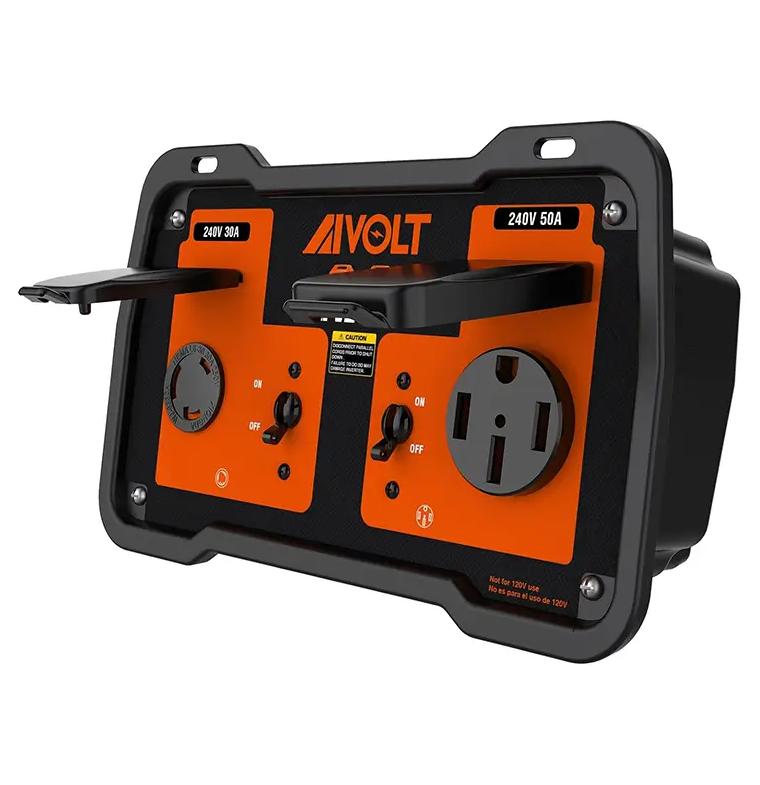
Cost Comparison: Is It Worth the Investment?
A parallel setup demands more money and logistics initially. Getting two 2,000-watt inverter generators and a parallel kit is 15% to 25% pricier than a single 4,000-watt generator of similar quality. It also means doubling your maintenance tasks – you have two engines to take care of instead of one.
Whether this premium makes sense depends totally on your specific needs:
- Pick the single big unit if your generator stays in one place, like on a concrete pad at home or bolted to a trailer. In those cases, the weight isn’t an issue, and you save money and maintenance time.
- Go with the parallel kit setup if you’re traveling alone and have limited space, say in your car trunk or RV. This option also provides crucial mechanical redundancy when uninterrupted power is a must.
So, the parallel kit is pricier upfront and requires more upkeep. But it’s portable, flexible with fuel types, and ensures reliable power.