
How to Use Your Portable Inverter Generator Safely During a Power Outage
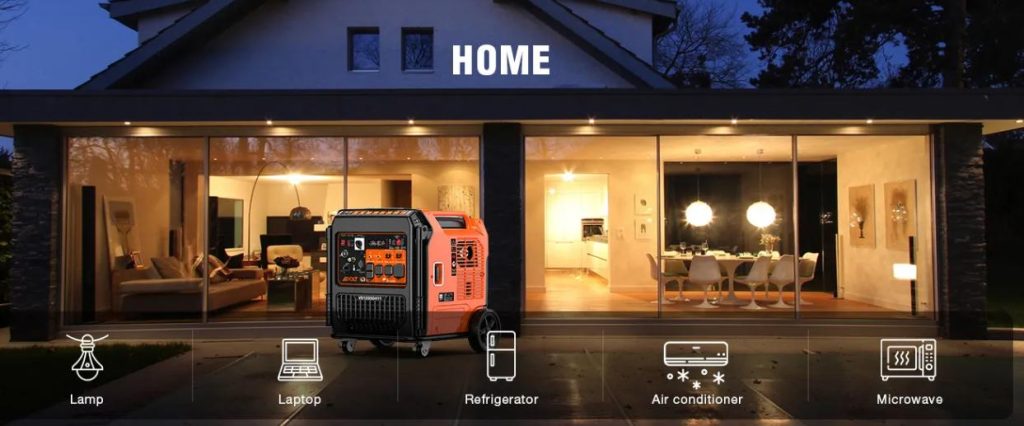
Loss of power can happen without any warning, and you could be without power for hours or days. During these times, an inverter generator will help keep your basic devices, as well as lit appliances and computers, powered. Also, as opposed to a normal generator, inverter generators have a constant voltage, are quieter, and are more fuel efficient. Because of these reasons, inverter generators are the best options for home backup power.
This article will help you understand why an inverter generator is great for home use, show you how, and teach you safe generator placement and setup.
Why a Portable Inverter Generator Is the Best Choice for Home Backup Power?
As we know that during a power outage, having a dependable and secure portable rental generator is a big help. So, here are three reasons why a portable inverter generator is the perfect solution:
- Quiet, Clean Power: Unlike conventional generators, inverter generators offer clean power that is safe to use with sensitive modern electronics. Cell phones, televisions, and laptops can all be charged with clean power that protects them from damage to internal components like motherboards.
- Quiet & Efficient: Unlike traditional generators, which run at a constant speed and generate excess noise, inverter generators alter engine speed to match demand. This results in a much quieter operation, making it unnoticeable to neighbors and family, and superior fuel efficiency, which prolongs run time during outages.
- Compact & Versatile: Inverter generators are smaller than traditional generators, making them easier to store and transport. This means you get portable power where and when you need it. You get targeted power for essentials and avoid the cost of a permanent installation.
In short, portable inverter generators are clean, safe, and efficient, making them perfect for homes that have a variety of electronics.
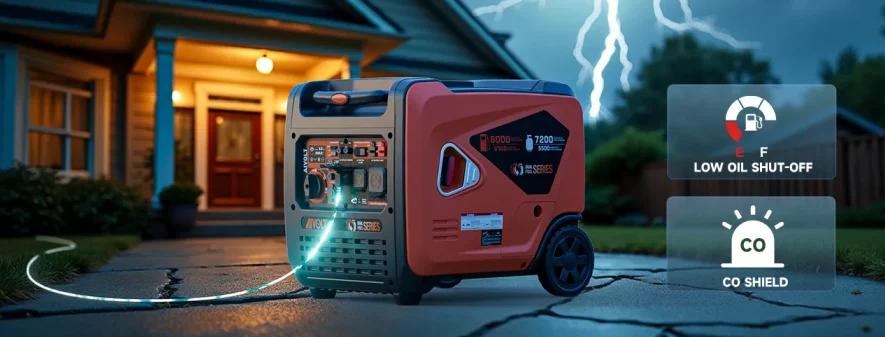
Key Safety Tips When Running Your Inverter Generator During a Blackout
When losing power during a blackout, it can be very stressful. One should never increase risk during stressful times. One can safely and calmly use an inverter generator that can be a lifesaver. Remember these three areas of extreme concern in an effort to keep your family and house safe.
Eliminate any chances of being exposed to Carbon Monoxide
When operating a generator, it is important to remember that CO is a gas that can be deadly and that it is odorless.
- Always and Only Outdoors: No matter the scenario, a generator should never be operated inside a residential area or small area like garages, sheds, and decks
- Direct the Exhaust: Windows, doors, and A/C intakes are important to keep in mind to direct the generator exhaust in their opposite direction. This is critical to keeping the house as safe as possible.
Manage Your Load to Prevent Overloading
Your generator can handle powerful appliances, but keep in mind that the unit also has limitations as to how much can be plugged in or used at one time. Overloading appliances, as well as the generator, can become damaged.
- Calculate Your Wattage: Figure out how much the appliance draws before you plug anything in. The appliance uses either starting or running watts. Make sure to always plug in essential appliances first, such as your refrigerator or sump pump.
- Stagger Your Startup: Plug in one appliance at a time. Make sure to start the device that has the highest power first, in this case, the refrigerator, then add in the other devices one at a time. This avoids a large surge of electricity that could power the device. This could trip the generator, or even damage the appliances.
Learn Safe Refueling to Avoid Fire
A hot engine and gasoline are a dangerous combination.
- Shut Down and Cool Off: Never refuel a generator until it’s been turned off and has been allowed to cool off completely. One little spilled drop of fuel on a hot engine can ignite in an instant.
- Use Approved Containers: Store and pour fuel only in containers designed for gasoline.
Mastering these three pillars of CO safety, load management, and safe refueling means going from just running a generator to operating one responsibly.

Proper Portable Inverter Generator Placement and Setup
Wherever you set up your generator, the setup is pivotal for safe operation. A good setup will reduce the top three generator operation risks: carbon monoxide poisoning, fire, and electrocution. Use the following field guide for the correct setup.
Step 1: Establish Your Safety Zone First
This is the first step and the most important: you have to select an adequate spot. This is not up for debate.
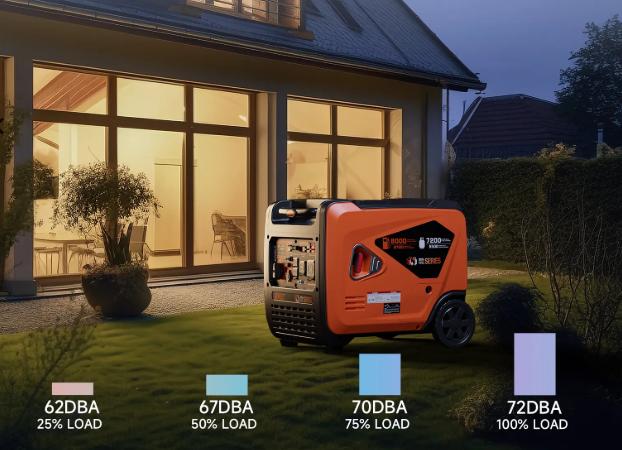
- The 20-Foot Rule: Keep the generator more than 20 feet (or about 6 meters) away from the house. This distance is vital to keep highly toxic exhaust from entering the windows, doors, or ventilation systems.
- Go High and Dry: Use a stable, level, dry surface for the operation. Don’t run it in a basement or garage, even if the door is open. Don’t use a site that is a depression where water or snow might be.
- Check the Wind: Be aware of the wind direction. Make sure to set up the generator so the exhaust is blowing away from your house.
Part 2: Protecting It From The Weather The Right Way
Your generator needs protection from the weather, but should never be covered in vents.
- Use A Generator Specific Tent: The right solution is a purpose-built canopy or tent designed to shield the unit from rain, but is able to vent 360 degrees around the tent.
- Dangerous Makeshift Systems: Do not cover a running generator with a tarp, blanket, or anything else. This prevents exhaust from making it to the outside, while causing severe overheating of the generator and creating a huge fire and carbon monoxide risk.
Step 3: Safely and Confidently Connect Appliances
There are also safe ways to connect appliances to a generator.
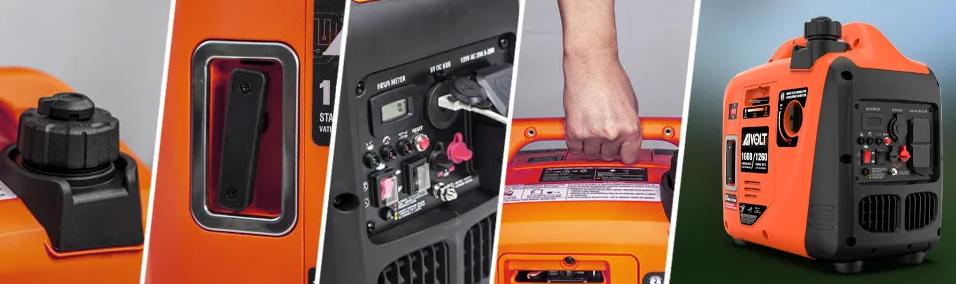
- Buy High-Quality Extension Cords: If you’re using generator power to drive your appliances and tools in the outdoors, use heavy-duty, outdoor extension cords (if a cord is warm to the touch, it’s a small gauge and a fire risk).
- No Backfeeding: Do not ever plug the generator into a wall outlet. This is dangerous and illegal. Backfeeding electricity poses a serious risk of electrocution to anyone working on the power lines or to your family. The safe and proper way to power your home’s circuits is with a professionally installed manual transfer switch.
By taking the three actions of claiming your safe zone, using proper weather protection, and connecting safely, you’re ensuring your generator is a solution and not a liability.
A Quick-Action Safety Checklist for the Next Power Outage
When it comes to power outage safety, speed is everything. Keep this checklist near your home so you can ensure you cover all the most important things.
Before You Start
☐ Parking Check: The generator is off and parked on a dry, level surface at least 20 feet away from the home, with exhaust suppression pointed away from any doors or windows.
☐ Ventilation Clear: Open spaces, away from vegetation, leaves, and any nearby parking lots with any parking lot enclosures.
☐ Fuel Check: The generator has sufficient oil and fresh fuel, but make sure to refuel when it is off and cool.
Turning on the Generator
Make Sure Everything is Reset
☐ All Oscillators are Off: This happens automatically when you unplug all devices attached to the generator.
☐ Open Power: Follow the generator’s guide to starting it.
☐ CO Detector: Visually confirm that the carbon monoxide alarm(s) in the house is (are) operating.
Providing Power
☐ Cord Inspect: All extension cords are heavy-duty and rated for outdoor use.
☐ Load Step: Starting with the highest wattage fuel appliance (your fridge), and in order one by one, plug in and turn on. Ensure that you do not exceed the load capacity.
All in all, if you just follow the checklist provided, you can have peace of mind that you’ll have vital power with safety for you and your family.
Summary
There can be little question as to the resilience that your portable inverter generator can provide, but only if you can operate it safely.
- This can be done by establishing three practices.
- Prevent the production of carbon monoxide by placing the generator correctly.
- Keep your load at or below the generator’s capacity.
Refuel in a safe manner.
Stay powered, stay prepared, and by all means, stay safe.