
Why a Dual Fuel Inverter Generator is the Ultimate Insurance Against 2026 Spring Power Outages?
Spring 2026 is shaping up to be another rocky season for power reliability. More intense storms, longer rain events, delayed grid maintenance, and increasing residential electrical demand mean only one thing: outages are inevitable, and they won’t be brief.
If you’re already dealing with an unplanned spring outage that’s lasted longer than you expected, you already know that the real issue isn’t losing power—it’s losing control. A dual-fuel inverter generator isn’t about convenience; it’s about certainty. That’s why homeowners are making it an insurance policy.
Spring Power Outages Are Unpredictable—and That Changes Everything
Unlike winter or summer blackouts, spring outages don’t happen in any one way. The soil around the power poles becomes waterlogged from rain, wind knocks tree limbs onto lines, and temperature changes can take local electrical grids beyond safe limits. The utility company often can’t easily identify where the problem lies, which is why spring outages can take longer than expected.
This is exactly the sort of situation where a basic generator fails. You might be relying on one form of energy or another, unstable form of energy output. The dual-fuel inverter generator works because it doesn’t count on consistency. It works with whatever it gets.
When outages happen unexpectedly and take days instead of hours, consistency becomes important.
Dual Fuel Is About Risk Reduction, Not Convenience
Fuel access is the most common failure mode during extended outages. Gas stations lose power. Fuel delivery is delayed. Lines get long quickly. If you only have a gasoline-powered generator, you are putting everything on one fuel bet.
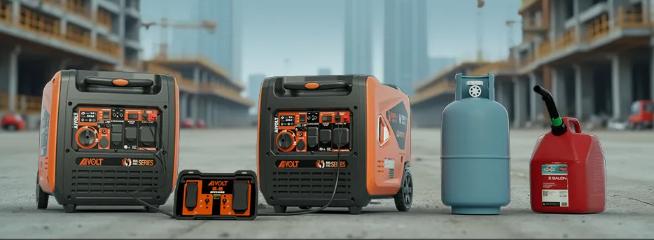
Dual fuel eliminates the bet.
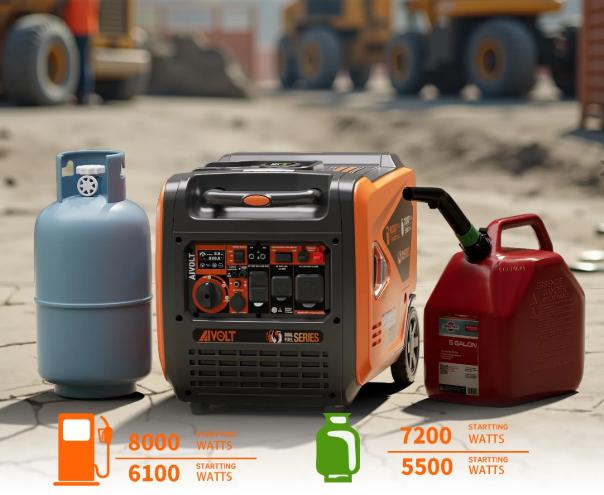
If there is gasoline available, you will use it. If there is no gasoline available, you will use propane. If one runs low, you will switch. You are no longer dependent on a single failure mode. This reduces stress in an outage setting dramatically.
Here are the relative fuel capacities of gasoline and propane in a real-world spring setting:
| Factor | Gasoline | Propane |
| Availability | Easy in normal times | More stable during long outages |
| Shelf Life | Short, degrades over time | Long-term storage |
| Storage Safety | Higher risk | Cleaner, safer |
| Engine Residue | Higher | Cleaner burn |
The takeaway isn’t choosing one fuel over the other. It’s eliminating the risk of choosing wrong.
Inverter Power Protects Modern Homes
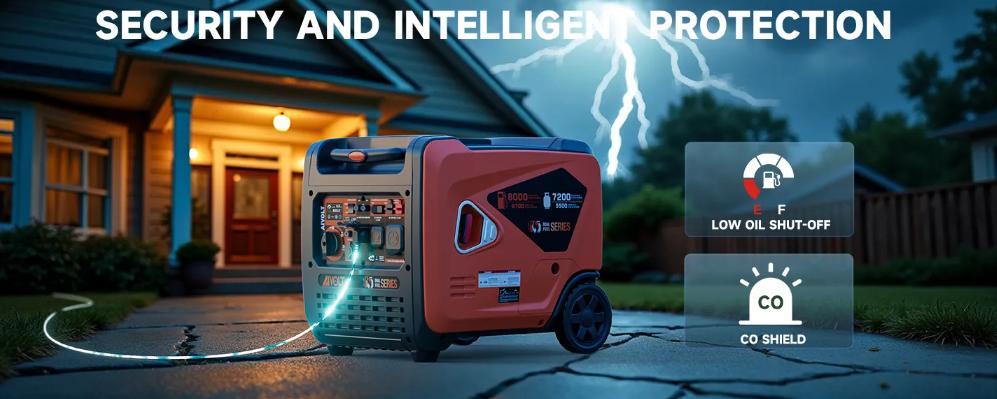
Houses in 2026 are equipped with sensitive electronics like never before. Wi-Fi routers, laptops, smart home devices, battery chargers, and medical equipment are just a few examples of devices that require reliable electricity.
Traditional generators offer variable electricity, which can slowly deteriorate sensitive electronics over time. Not so with inverter generators. They offer reliable electricity, just like the public electrical grid.
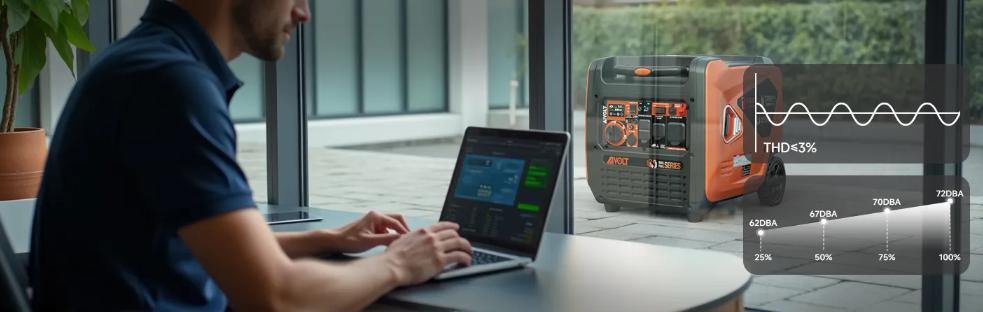
This is especially important during long spring outages when devices are plugged in for days, not hours. And it means a quieter and more efficient engine because it only runs as hard as necessary.
So, in short, inverter technology is not just a step up from the competition—it’s a requirement for safe and reliable electricity in homes today.
What “Enough Power” Really Looks Like During an Outage?
Many people purchase generators based on the concept of running all at once. The truth is, this is not necessary or even practical during a spring outage.
The key is to maintain priorities online, which include refrigeration, communication, lighting, sump pumps, medical equipment, and basic climate control. A dual-fuel inverter generator shines in this regard, as it is capable of handling partial loads well and quietly too.
The truth is, most people only need to power a short list of things:
- Refrigerator and Freezer
- Wi-Fi and Charging Stations
- Lights and Small Appliances
- Sump Pump during Heavy Rain
- Medical or Work Equipment
The fact is, inverter generators automatically adjust their power output. This means you’re not wasting fuel on capacity that is not being used. It is this efficiency that will help you power through a refueling crisis when fuel is uncertain.
Control always beats capacity.
Why More Homeowners Treat Inverter Generators as Insurance?
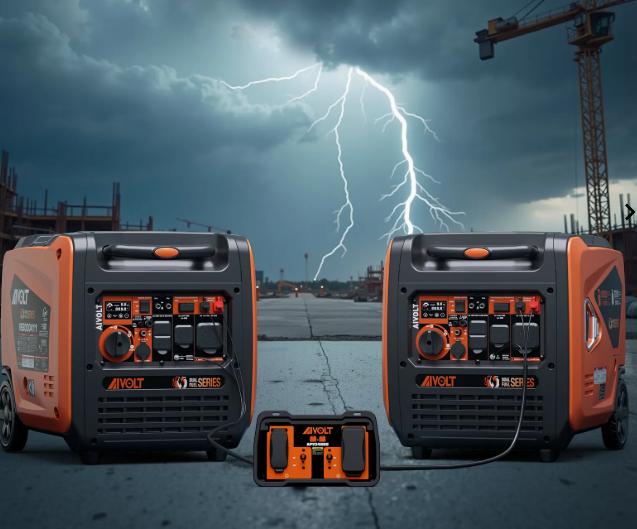
Insurance is not about panic—it’s about mitigating risk when things go south. A dual-fuel inverter generator is more than just keeping the lights on; it’s safeguarding the elements of your life that truly matter. Your food stays cold, your home office stays up, your medical equipment stays on, and your sump pump is ready for spring storms.
This is why more and more homeowners are considering going beyond traditional generators and opting for AIVOLT dual-fuel inverter generators instead. These are built with reliability, clean power, and convenient switching between gas and propane in mind. What this really means is that you have less to worry about during power outages and fewer sacrifices to make about what they can keep running.
AIVOLT dual fuel inverter generators are not about indulgence—they’re about continuity and control. When the spring storms roll in, AIVOLT owners are not worrying; they’re ready, prepared, and still in the driver’s seat of their homes.