
Can a Portable Inverter Generator Keep Your Phones and Devices Charged in a Winter Emergency?
If your winter storm knocks out your electricity supply, your phone is no longer just your phone—it is your lifeline to emergency services, weather updates, and concerned loved ones. Cold weather can drain your phone batteries in no time, and that decreasing battery icon turning red is no longer just a metaphor but a reality. Can an inverter generator really help alleviate your phone-related winter storm woes?
The short answer is yes, absolutely, and perhaps most reliably. However, not all generators are created equal in this respect, and we need to discuss some cold-weather facts.
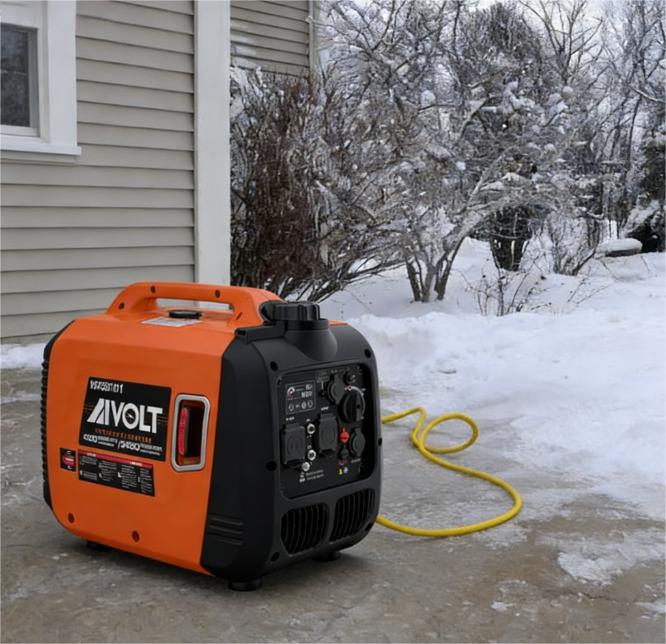
Why Your Regular Power Bank Isn’t Enough (And Neither Is a Big Generator)
You may think that a fully charged power bank is your solution. Well, it is, for a few hours. But when you’re stuck in a blackout due to an ice storm or blizzard that lasts several days, you’ll find that even a fully charged power bank runs out of power. But you need a solution that can recharge power, not just use up power that you have stored away.
But using a massive 7,000-watt construction generator to charge your phone is like using a chainsaw to slice bread—overkill, inefficient, and perhaps dangerous. Large generators produce power that is described as “dirty power,” meaning that it can damage the circuitry of your phone, tablet, or laptop that you’re trying to charge.
This is where the portable inverter generator comes in. This device is the perfect solution that bridges the gap between a power bank that runs out of power and a beast of a generator that is inefficient and perhaps dangerous.
Portable Inverter Generator: Clean Power, Quiet Efficiency
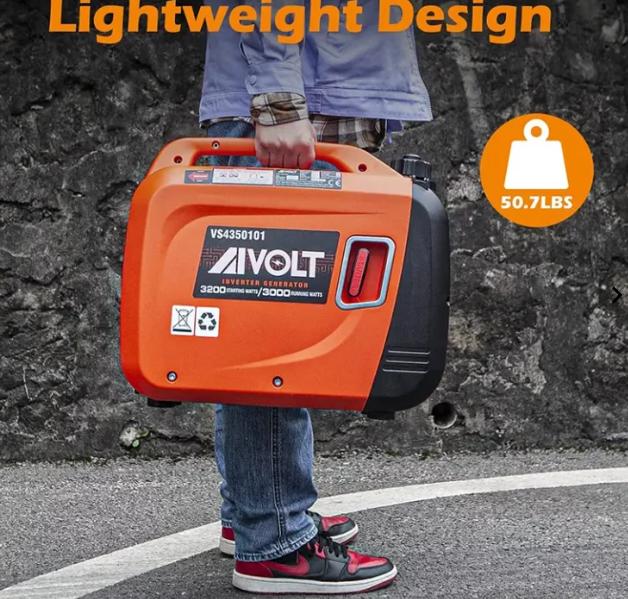
An inverter generator is made in a different way. It provides what is known as “clean power” by electricians—a smooth, stable electric current, just like what comes out of your household outlets. This is measured by something known as Total Harmonic Distortion (THD), and a good inverter generator maintains a level below 5%, which is well within the safe limits for all your electronics. You can plug in your phone charger without giving it a second thought.
The real magic for a winter emergency, though, is fuel efficiency. Suppose there are two generators: one is a traditional one and runs constantly at full speed like a car with the transmission stuck in first gear. It consumes gas even if only powering a phone. The inverter generator is more sophisticated. The speed of the engine adjusts based on the load.
Since only 50 to 200 watts is required to charge a few devices, the engine runs very slowly and quietly, consuming very little gas. In a survival situation where acquiring more gas might be extremely dangerous or impossible, being able to make one tank last 10, 15, or 24 hours is a huge advantage.
Let’s break down what you can realistically power and for how long with a typical 2200-watt inverter model:
| Primary Task | Sample Devices | Approx. Wattage Used | Estimated Runtime on 1 Gal |
| Core Communications | 2-3 phones, a tablet, LED lantern, WiFi router | 100-150W | 18-24 hours |
| Added Comfort/Safety | Above + laptop, CPAP machine, small TV | 300-500W | 8-12 hours |
| Essential Appliance | Above + keeping a refrigerator cold (cycling on/off) | 800-1500W | 4-7 hours |
This table shows the flexibility. You can choose to run just your essentials for days, or power a few more comforts for shorter periods, all from the same unit.
Making Sure the Generator Starts When You Need It
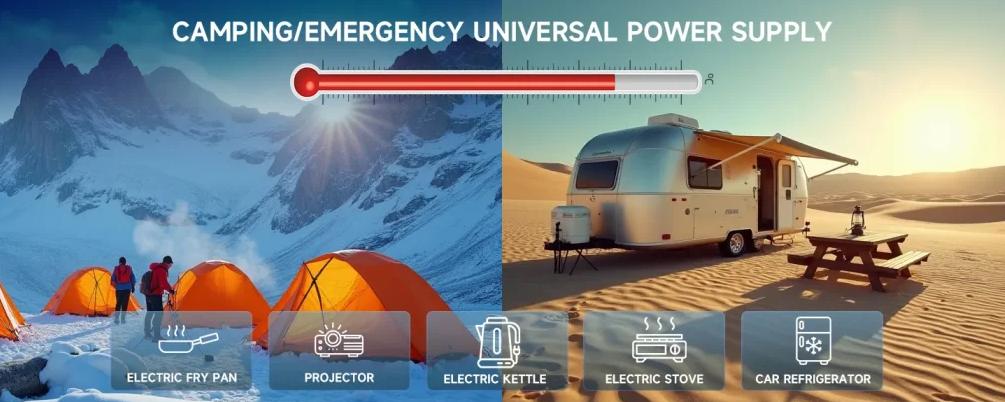
A good generator is of little use if it won’t start in the middle of a freeze. Winter preparedness is not something you can put off. This is what I mean by winter preparedness, beyond just owning one:
- Oil is essential for your generator. Most generators come with 10W-30 oil, which thickens in the cold. For temperatures below 20°F (-7°C), you must use a synthetic 5W-30 oil. This oil has better lubricating properties and allows for better flow, which is essential for the generator to start. This is the single most important thing you must do before winter.
- Secondly, fuel goes bad. Gasoline stored for a while in the tank tends to form gummy substances, which clog the carburetor—the number one cause of a “no-start.” Always add a fuel stabilizer to your fresh fuel, run the generator for 5 minutes to circulate the fuel through the system, and then shut off the fuel valve to allow the carburetor to run dry before storage.
- Lastly, practice makes perfect. Do not wait until you need it in a crisis situation during a storm. Test it every month. Be prepared with your extension cords, a heavy-duty outdoor-rated power strip, and a can of fuel (treated with a stabilizer) in your emergency kit. Store your generator in a dry, accessible place, such as a garage or shed.
Making the Choice
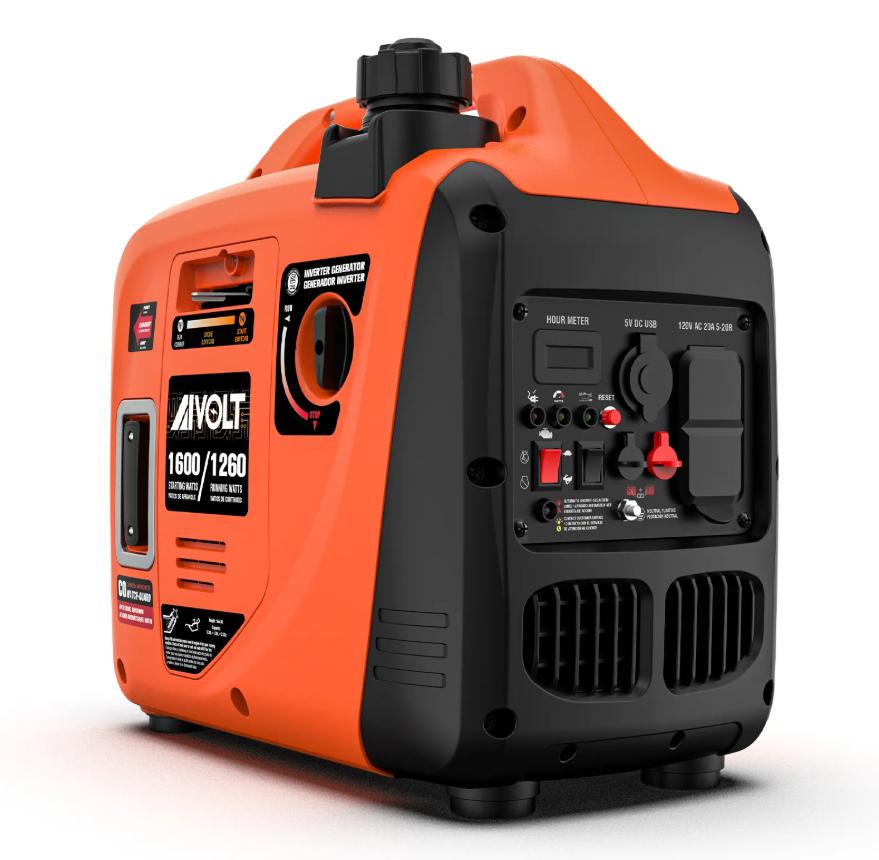
Ask yourself: Is my current power solution actually reliable in freezing conditions? Have I tested it recently? Do I have the right supplies?
If you are using an older conventional generator to power electronic equipment, then you are essentially gambling with your equipment and your safety. The upgrade to a new inverter generator, designed to power electronic equipment, isn’t just a matter of convenience; it’s a matter of reliability, a matter of knowing that no matter how bad things get, you have a power solution that will work.
Winter doesn’t negotiate, and neither should your power solution. Select a portable inverter generator that fits the needs of modern electronic equipment and extreme conditions, because when the power goes out and the temperature plummets, “good enough” simply isn’t.