
Parallel vs Single Big Inverter Generator: Which Is Better?
The decision to choose a portable power source was once simple: you picked the largest and loudest device you could manage to afford. However, with the advent of electronic devices that are sensitive, and the increasing demand for quieter camping trips, inverter generators have revolutionized the rules of the game.
Today, outdoor homeowners and enthusiasts face the same dilemma: whether to purchase one big inverter generator or connect two smaller, light generators?
Hope you can get answer in this article.
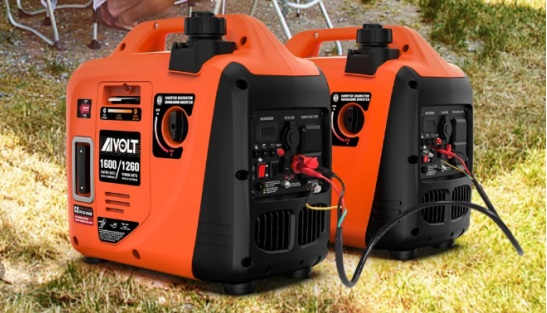
What Is a Parallel Inverter Generator?
Before we begin, let’s address the most fundamental issue: can you actually connect two inverter generators?
The simple answer is yes, however, only if they’re inverter generators with parallel ports. In contrast to open-frame generators of the past, inverters make use of intricate circuits to transform the power source into the “clean” sine wave (THD less than 3%) that is secure for smartphones and laptops.
If you are using the parallel kit, you’re not just connecting one device to another. It is synching the AC frequencies. This allows the combined power of the two units to flow through an output.
This means the two inverter generators are similar, each with special cables/kits to connect with their output power, making a single source of power with a doubled capacity.
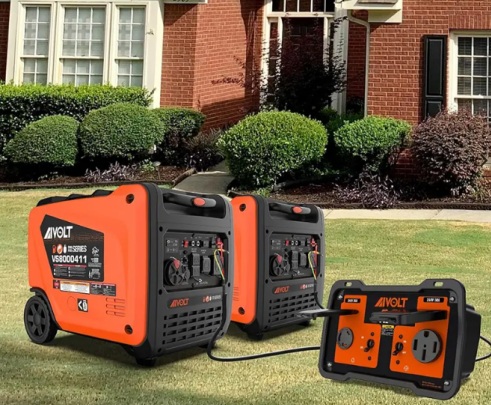
Option A: The “Power of Two” (Parallel Setup)
The parallel setup is the favorite of the modern “Nomad” and RV traveler. It relies on flexibility rather than brute force.
The Advantages
- Ultimate Portability: This is the strongest selling point. A single compact 1600W-class generator weighs only around 26–30 lbs, so nearly anyone can lift and carry it with one hand. A 4000W-class unit needs 48 to 55 pounds of weight because it exists as one complete unit, which makes its transportation and storage process more challenging for single-person use.
- Redundancy (The Safety Net): Mechanical devices can fail. The complete system stops functioning when your primary generator fails to operate. The parallel setup allows you to maintain 50% operational capacity for essential functions including lighting and phone charging and device maintenance when one unit experiences a spark plug problem.
- Scalable Investment: High-quality power is expensive. A parallel-ready system allows you to buy one unit now for light camping and add a second unit later when you upgrade your RV or move to a larger home.
- Fuel Efficiency on Low Loads: If you only need to charge a laptop at night, running one 1600W unit on “Eco-Mode” is far more fuel-efficient than idling a massive 4300W engine.
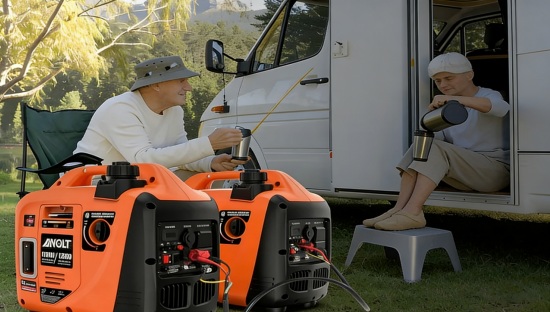
The Trade-offs
- Complexity: You have two engines to maintain (two oil changes, two air filters).
- Higher Entry Cost: Generally, buying two small units plus a parallel kit costs about 15-25% more than buying one large unit of equivalent wattage.
Option B: The “Single Powerhouse”
If the parallel setup is about flexibility, the single large unit—like the AIVOLT 4300W Inverter Generator—is about raw efficiency and simplicity.
The Advantages
- Best Value for Money: The single large unit shows the best value through its “dollars-per-watt” measurement. Your costs only include one housing unit together with one control panel and one fuel tank.
- Operational Simplicity: One fuel tank to fill. One pull-cord to yank (or one electric start button). One maintenance schedule. For home emergency backup, where stress is high during a storm, simplicity is a virtue.
- Heavy-Duty Output: The bigger units come with a 30-amp or 50-amp locking plug which enables them to power complete home transfer switches and large fifth-wheel trailers without needing any adapters.
- Engine Longevity: The larger engine (e.g., 223cc) which operates at 50% load will last longer than two small engines (e.g., 80cc) that operate at 90% load to deliver equivalent power.
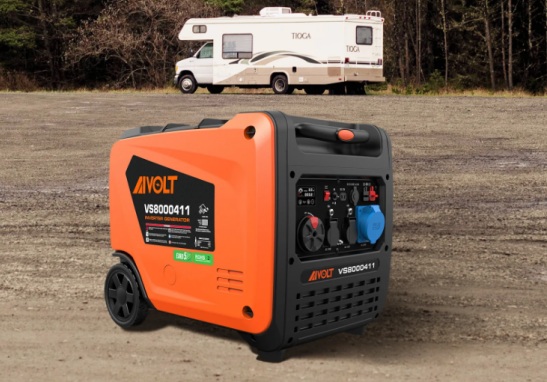
The Trade-offs
- The Weight Factor: Even on “never-flat” wheels, moving an object that weighs 50lbs over dirt, sand or up a flight of stairs can be a strenuous job.
- The Storage Footprint: it needs a dedicated space in your basement or garage.
Parallel vs. Single Big Inverter Generator
When deciding between a parallel inverter generator or a single unit with a high wattage, the actual specifications of the product will make all the difference. Below is a concise and practical comparison of two inverter generators from AIVOLT, which are the 1600W (used in parallel) and the 4300W, to help you determine the one that best suits your needs and power requirements.
| Feature | 2x AIVOLT 1600W (Parallel) | 1x AIVOLT 4300W (Single) |
| Combined Surge Watts | 3200W | 4300W |
| Total Weight | ~56 lbs (Split in two) | ~51 lbs (Single block) |
| Noise Level | Extremely Low (52-58 dB) | Low to Medium (60-65 dB) |
| Maintenance | Double (2 Engines) | Single (1 Engine) |
| Price Point | Higher ($$$) | Lower ($$) |
| Best Use Case | RVing, Overlanding, Tailgating | Home Backup, Food Trucks, Construction |
When to Choose a Single Big Inverter Generator
A single large inverter generator like the AIVOLT 4300W is ideal when:
- You need maximum continuous power (3500W+) for extended periods
- Simplicity of operation is your highest priority
- Storage space isn’t limited
- You prefer minimal setup and no additional components
- Your power needs are consistent and predictable
This option excels as a permanent home backup solution or for large RVs with substantial power requirements that don’t require frequent relocation.
When to Choose a Parallel Inverter Generator
A parallel setup using two AIVOLT 1600W generators is superior when:
- Portability and easy handling are essential
- You value quiet operation (especially for camping/residential areas)
- Power needs vary significantly throughout the day
- Redundancy and reliability are critical (medical needs, food storage)
- You want better fuel efficiency and lower operating costs
- You prefer modular investment (start with one unit, add second later)
The parallel configuration represents the fastest-growing segment of the generator market—up 34% in 2025—due to these versatile benefits.