
Summer Storm Prep: Is Your Inverter Generator Ready?
The sky darkens, the wind picks up, and the first rumble of thunder echoes in the distance. Summer storms provide an enjoyable break from the heat, but to homeowners, however, they are an imminent danger to power lines. When the lights go out and fade, your home’s stability is solely on one thing that is your inverter generator. However, is it prepared to go on to power or will it just leave you in darkness? Making preparations now will ensure that your family is kept at a comfortable temperature, that your meals remains healthy, while your delicate electronics are safe.
Why Inverter Generators Are Essential for Summer Storms
Inverter generators are superior to traditional generators for emergency use, with unparalleled performance and stability. Their sophisticated “AC-DC-AC” conversion offers uncontaminated power with a total harmonic distortion (THD) lower than 3% and is safe for electronic devices such as computers, medical equipment as well as smart devices. Contrary to traditional generators that operate at a constant speed inverter units can adjust the engine RPM to meet demand, boosting performance by 20-40% while increasing the duration of duration of runtime.
They run at 40-60% less noise–critical for use in the event of prolonged interruptions. Compact and light weight designs ease transportation and storage. The majority of models weigh 30 to 50 percent less than conventional generators with equal output. With fewer emissions and better reliability Inverter generators are a ideal option for summer storm preparation.
| Feature | Inverter Generator | Traditional Generator |
| THD (Total Harmonic Distortion) | ≤3% (safe for sensitive electronics) | 5–10% (may damage devices) |
| Fuel Efficiency | 20–40% higher (adjusts RPM to load) | Lower (constant high RPM) |
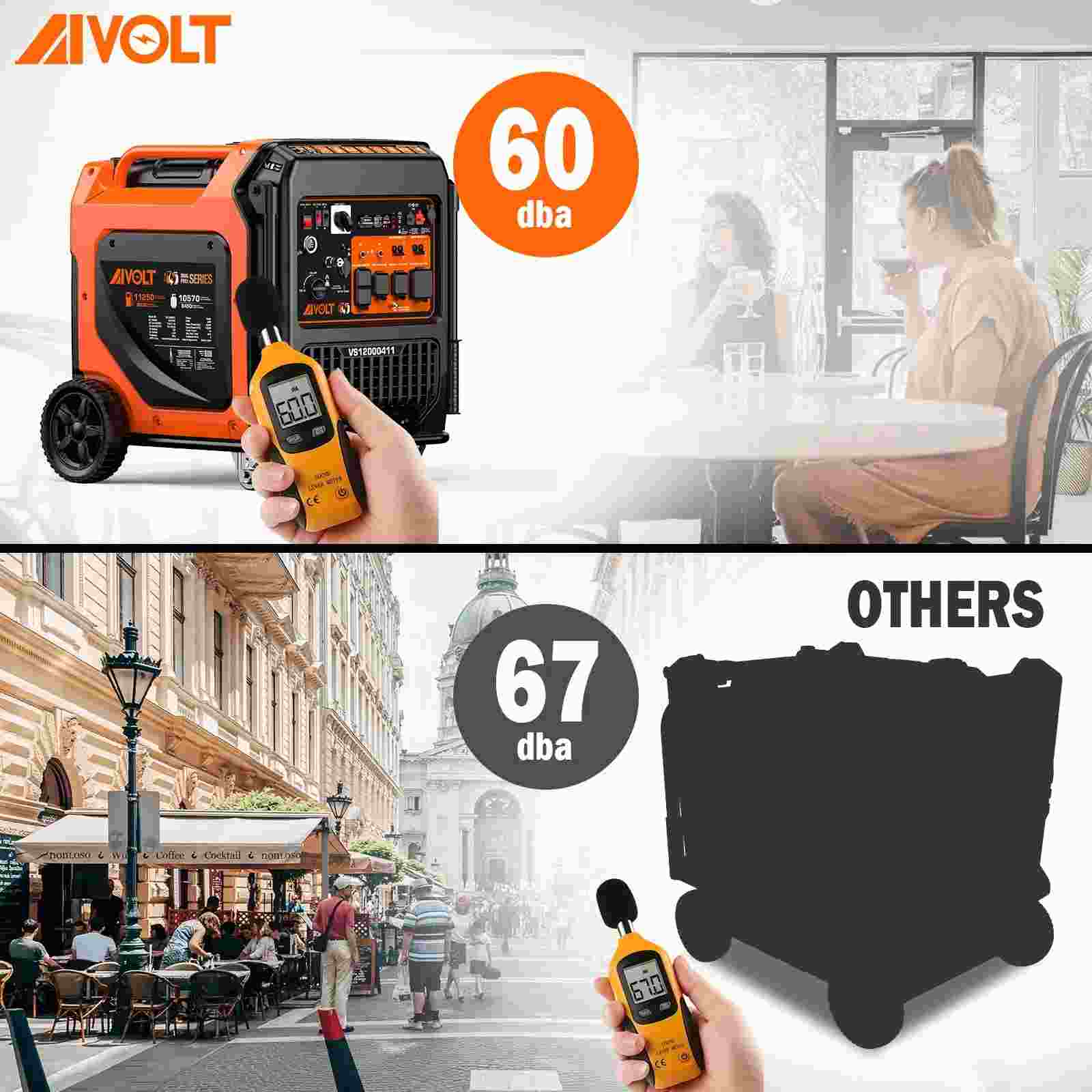
| Noise Level | 40–60% quieter (52–60 dB at 25% load) | Louder (70–85 dB) |
| Weight | 30–50% lighter (compact for storage) | Heavier (bulky) |
5 Checks to Prep Your Inverter Generator Before a Storm
1. Fuel & Battery System Inspection
Start with fuel stability—stale gasoline causes 70% of startup failures. Use fresh ethanol-free fuel which contains a stabilizer to protect for six months. The tank needs to be filled completely to stop moisture from forming inside. The dual-fuel system requires users to check propane tank levels and complete safe connection procedures. The inspection requires checking battery terminals for corrosion which needs cleaning by wire brushing followed by dielectric grease application. The electric start system needs testing to confirm its ability to start the engine successfully.
2. Engine & Filter Maintenance
The combination of dirty oil and clogged filters creates conditions which lead to equipment overheating and subsequent system failures. The manufacturer recommends changing oil with their specified viscosity which for summer use requires 5W-30 oil. The oil filters should be replaced when their scheduled maintenance time has arrived. The air filters need cleaning or replacement because blocked filters decrease power output by more than 30% The spark plugs need inspection to determine whether they show signs of wear or fouling which requires gap adjustments or replacement. A well-tuned engine starts reliably and runs efficiently under storm stress.
3. Electrical Output & Component Testing
The testing process requires verification of stable power delivery. Use a multimeter to check voltage (120V/240V) and frequency (60Hz) across all outlets. Test GFCI protection—reset tripped breakers and replace faulty units. The inspection process requires power cord examination for fraying and cracks and damage assessment while using 12-gauge outdoor extension cords or heavier cords. The testing process requires all controls with switches and indicators to operate correctly.
4. Physical Condition & Weatherproofing
Look for leaks, loose bolts or damaged components. Repair fuel leaks immediately–gasoline spills pose extreme fire risks. Clean cooling vents of debris to avoid overheating. Ensure proper grounding for lightning protection. A ventilated weather cover in place. Never completely seal the generator in order to prevent airflow from causing dangerous heating.
5. Safe Placement Planning
Pick a place that is that is at least 20 feet away from structures, and with the exhaust is directed away from windows vents, doors and windows. The CPSC has reported a hundred deaths per year due to carbon monoxide poisoning caused by generators. Pick a flat, stable and well-drained area. You should have access to fuel easily for fueling and operation, but protect from unauthorised use.
Safe Operation During Summer Storms
Never Operate Indoors
Garages and basements as well as porches are a prime source of CO gas- even with doors that are open as well as windows. CO is colorless and odorless which can cause unconsciousness and even death in a matter of minutes. Install CO detectors powered by batteries near sleeping areas.
Proper Storm Protection
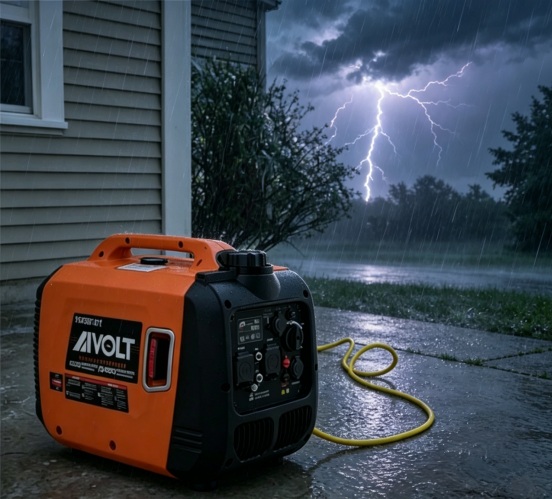
Make sure you have a ventilated cover canopy to keep rain outand rain don’t hinder the flow of air. Direct exhaust away from buildings. Be careful not to run during lightning storms and disconnect power cords when lightning strikes nearby to avoid damaging surges.
Load Management
Make sure you calculate your total wattage with care. Do not surpass 80% your rated capacity to ensure continuous usage. Make sure to prioritize the essentials like refrigerator (600-800W) and modem/router (50-100W) as well as lights (10-60W depending on the fixture) as well as medical equipment. Split loads across circuits in order to prevent overload.
Fuel Safety
Turn off the engine and let it cool before refueling—hot engines ignite spilled fuel. Store extra fuel in approved containers which have proper labels to designated areas that do not include residential zones. Keep a fire extinguisher nearby.
AIVOLT Inverter Generators: Your Ultimate Storm Backup
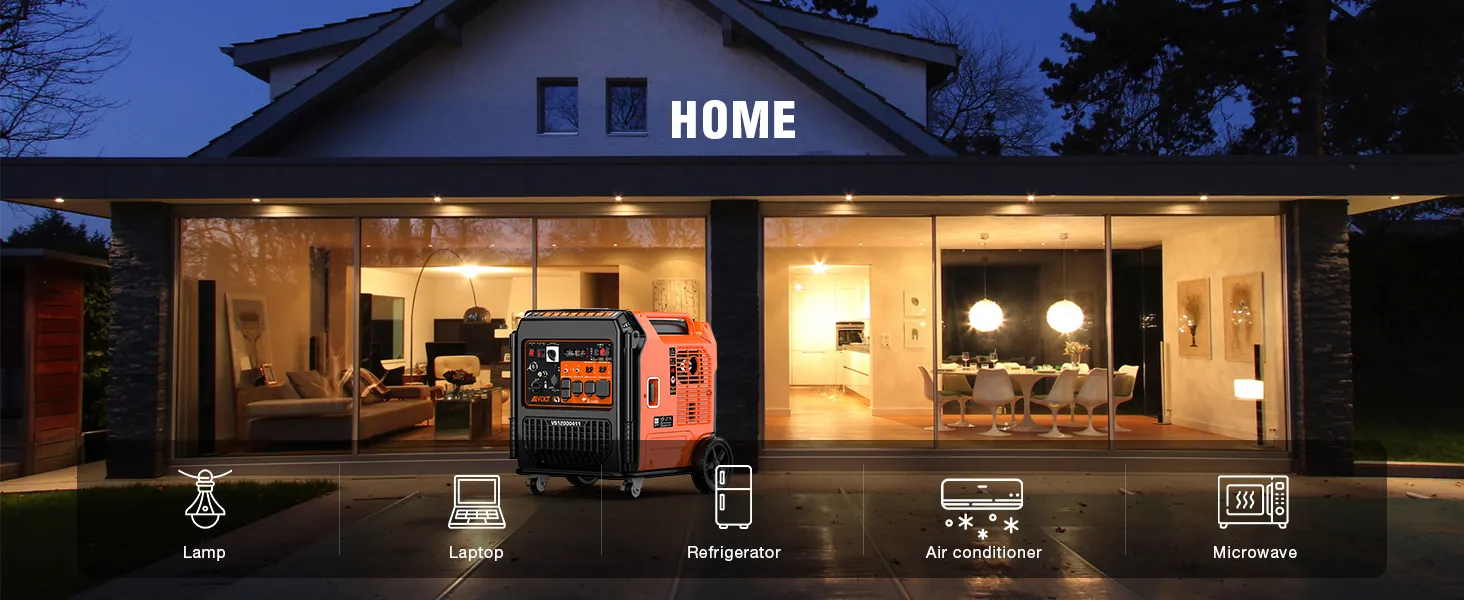
For unmatched reliability, choose AIVOLT portable inverter generators–engineered for extreme summer storm conditions. The range spans from 1200W to 11250W and covers small RVs, homes, and even job locations.
Advantages:
- Ultra-clean power: THD 3% protects all electronics
- Fuel efficiency: 40% higher than conventional models.
- Whisper-quiet: 52-60 dB with 25 percent load
- Dual-fuel capability: Gasoline/propane flexibility
- Weather-resistant: Sturdy, storm-ready construction
AIVOLT generators operate reliably even under extreme conditions and provide stable output despite temperature fluctuations. With strong warranties and service designed to ensure that your family is in power when the grid is down.
Final Summer Storm Prep Checklist
✓ Fuel tank full with stabilizer; extra fuel stored safely
✓ Oil changed, filters cleaned/replaced
✓ Spark plugs inspected/gapped
✓ Electrical output tested; cords inspected
✓ Weather cover and CO detectors ready
✓ Safe, ventilated location prepared
✓ Family trained on startup, operation, and safety