
Why Is My Pressure Washer Pulsing?
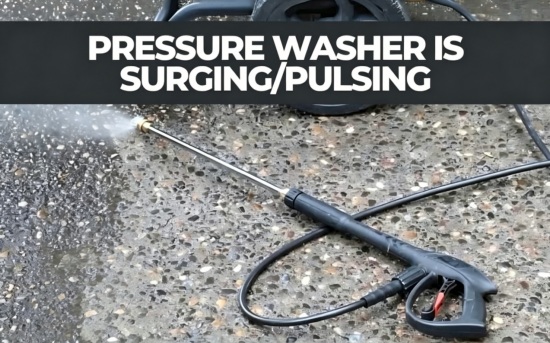
You pull out your pressure washer, hook up the hoses, and sort of get ready to clean your dirt stained driveway or weathered deck. But the moment you pull the trigger, the machine begins to “cough”—the water stream cycles violently between high pressure and a weak trickle, accompanied by a heavy, pulsing engine stutter. Honestly it feels like the whole unit is about to quit, but this issue, usually called pressure washer pulsing, is almost never a “right away” death sentence. If you work through a clear diagnostic sequence, you can spot the real cause and most often fix it at home.
The 3 Most Common (and Easiest) Causes
When your pressure washer pulses, this typically indicates its pump is trying to build pressure but being interrupted. According to field statistics from small engine repair centers, nearly 80% of pulsing issues are the result of simple external causes, like your water supply or spray tips rather than mechanical breakdown within its own pump.
Cause 1: Clogged Spray Nozzle
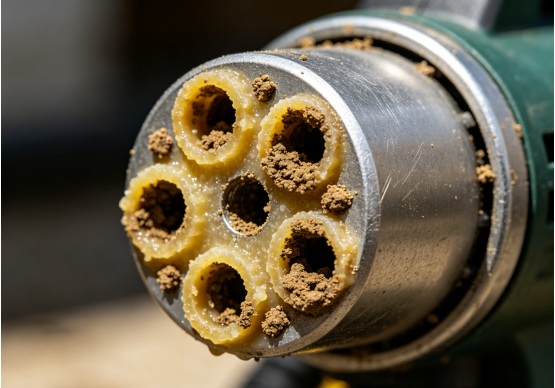
One of the primary causes of pressure washer pulsations is an obstruction within its spray tip, such as dust, mineral scale or debris that has lodged itself into it and restricted water flow through it. This created sudden backpressure in the pump which set off an unloader valve into bypass mode as if someone has released their trigger button.
The moment that valve opens, pressure drops, the pump kicks back into action, and the cycle repeats right away. For the fix , switch off the machine, disconnect the spray wand, then slide a thin nozzle cleaning needle, or alternatively an uncoiled paperclip straight through the nozzle tip, to dislodge the stuck debris that’s trapped in there.
Cause 2: Insufficient Water flow or supply
Every pressure washer is engineered according to an exact fluid dynamic calculation: Pounds per Square Inch (PSI) multiplied by Gallons Per Minute (GPM). If your high-pressure pump requires an inlet flow rate of 2.5 GPM but your outdoor spigot or garden hose only supplies 1.8 GPM instead, cavitation could occur and cause temporary issues for its pump.
It releases water faster than it draws it in, and then gasps for fluid and causing a violent rapid pulsing surges. Always make sure that the spigot at your source is turned off completely and check the hose in your garden for hidden wrinkles, and beware of long supply hoses, which can result in internal pressure drop before the water reaches the machine.
Cause 3: A Dirty Water Inlet Filter
The place where the garden hose screws right into the pressure cleaner there is a tiny mesh made of stainless steel or plastic. The inlet filter is specifically designed to trap rusty pipeline debris and pond algae prior to it enters and cuts the tightly-controlled limits of internal pumps.
After a long period of use This screen is bound to get overloaded by debris. The blocked inlet screen depletes the pump in the same way as an hose that is kinked. You can simply pop the screen off by using needle-nose pliers. Rinse off the dirt and grit that has accumulated by running it under the tap, and put it back in place.
Intermediate Troubleshooting: Air and Valving Issues
If the nozzles of your system are clean and the water source is flowing freely it is possible that the pulsing is due to air pockets that are trapped within the system as well as an unloader valve that requires maintenance.
Cause 4: Air Trapped in the System
Air compresses quickly, but water doesn’t. When air pockets of large size get stuck inside the manifold of the pump The pistons strike the pockets and spin with no resistance, disrupting the hydraulic cycle and creating rapid pulsation.
To fix this issue, you must follow the usual purging sequence for industry:
1.Turn off power on the switch (or switch off the engine that runs on gas).
2. Make sure the garden hose is connected as well as the spigot for water supply open.
3. Press the trigger of the spray gun until you have 30 or 45 seconds while the motor is turned off.
4. Let the pressure of water naturally allow air pockets to be pushed through the pipe until a smooth solid flow of water emerges through the nozzle.
5. Release the trigger, then turn the power off.
Cause 5: A Misadjusted or Sticky Unloader Valve
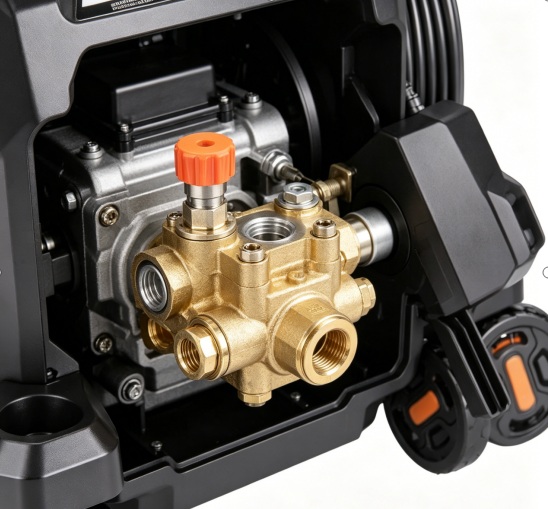
The valve for unloading is the safety valve inside the pressure washer. When you let off the trigger on your spray gun the valve redirects the high-pressure water to the lower pressure side of the pump, or into the bypass loop. If the spring mechanism inside is unable to maintain tension, or becomes stuck because of mineral buildup, or if the O-rings made of rubber wear out the valve will close and open as you keep it down. The valve is removed from the unloader and cleaning the valve with a mild degreaser, then lubricating the rubber seals with silicone grease or installing a replacement kit that is low-cost O-ring kit can usually fix the mechanical stutter.
Advanced Diagnostic: Internal Pump Failures
If the easy fixes don’t work, it’s time to inspect your pump’s housing. This is especially true for older units or ones which have been placed in storage for a long period with no proper winterization.
Cause 6: Damaged or Sticky Check Valves
Inside a normal triplex, also known as an axial high-pressure pump with six check valves (three inlet valves and three outlet valves). These tiny stainless-steel and plastic parts ensure that water flows only in one direction within the chambers of pistons.
If water that is hard causes one of these valves to stay open or a small bit of grit becomes caught in the valve’s seat, the water will flow backwards when the piston is in compression. This backflow inside the pump can alter the timing of the pump, resulting in a distinct and heavy cadence that is pulsing. You can take off the valve caps from the outside on the top of your pump by using the Allen wrench, to wash or change the check valve.
Cause 7: Internal Water Leaks and Worn Packings
The high-pressure seals (packings) are tightly wrapped around the rotating pistons made of steel or ceramic to separate the chambers of water from the oil crankcase. Over the course of hundreds of hours of friction, these premium seals wear out. If a seal fails water leaks backwards from the head of the piston, which prevents the pump from maintaining its highest pressure rating. This type of structural issue usually manifests its presence through a slow, constant drip of water from the bottom of the casing when the machine is operating.
Proactive Tips to Prevent Pressure Washer Pulsing
Making sure you take care of this equipment will be the most effective method to avoid these annoying problem-pulsing issues down the line.
- Make use of a dedicated Pump Saver Solution: Prior to storing your pressure washer to use in the winter months or for long periods of inactivity, add an oil-based lubricant specifically designed for pumps into the water intake. This specially-formulated fluid helps to eliminate excess moisture, shields the metal parts from rust and prevents the check valves inside from forming a stalemate prior to spring.
- Don’t run the system dry: High-pressure water is the primary cooling fluid for the seals inside. If you run your pressure washer with no water for more than 60 seconds could result in heat friction that can melt the seals, which can lead to an irreparable loss of pressure.
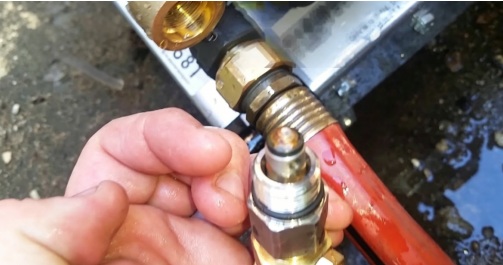
- Upgrade your Connection Fittings: Plastic quick-connect fittings may crack in time, allowing tiny air streams in the supply of water. upgrading to brass fittings that are heavy-duty or stainless-steel lock fittings guarantees that the seal is air tight.
Choosing a well-built electric pressure washer also greatly reduces the chance of pulsing and surging problems.