
How to Choose Portable Inverter Generator Wattage?
When choosing a portable inverter generator, wattage is the core user experience parameter—like its “heart,” directly determining usable devices, stability, and costs. Insufficient wattage fails to start fridges/ACs and causes overload shutdowns; excess wattage wastes fuel, is bulky, and raises purchase costs.
For consumers, options from 1000W to 5000W+ often lead to “bigger is better” blind spots or under-powered choices. This article offers a scientific selection method via four dimensions—core concepts, demand assessment, scenario matching, and pitfalls—to meet needs accurately and avoid impulsive spending.
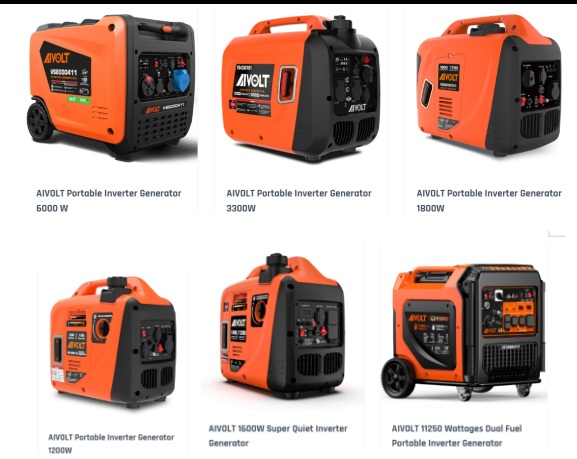
Key Concepts on Portable Inverter Generator Wattage
Before selecting the wattage for a portable inverter generator, it’s essential to understand three core concepts – rated wattage, peak wattage and the distinction between inductive and resistive loads – in order to ensure device compatibility and prevent selection errors.
1. Rated Wattage
Defined as the continuous, stable power output under normal conditions (in W/kW), it’s the key reference for long-term use. A 2000W-rated generator can power devices totaling ≤2000W for hours. Consistently exceeding this “continuous operation bottom line” causes engine overheating, high fuel consumption, and shortened lifespan.
2. Peak Wattage
Also called “startup wattage,” it’s the maximum instant power (lasting 2-3 seconds) for inductive loads needing startup surges. Typically 30%-50% higher than rated wattage (e.g., 2000W rated = 2500W-3000W peak). Ignoring it may prevent starting fridges or ACs even with sufficient rated power.
3. Inductive vs. Resistive Loads
- Inductive loads (fridges, power tools): Startup power is 2-3x rated power (e.g., 1000W fridge needs 2000W-3000W startup). A 2000W-peak generator may fail to start it, despite matching rated power.
- Resistive loads (bulbs, phone chargers): Startup power = rated power, requiring only adequate rated wattage.
Determine Your Power Needs
When selecting generator wattage, the goal should always be “meeting needs”, rather than blindly seeking higher power output. To ensure an accurate match-up, first identify which devices require power; how will they run together; and what is their maximum startup power demand.
1. List All Devices Needing Power
Make an exhaustive list of devices requiring power, organized according to various scenarios (e.g., home emergency, camping and construction) so as to avoid omissions. When specifying each item on this list you need two parameters for every one: its rated wattage and startup wattage (critical for inductive loads). Ways of acquiring these parameters:
- Check your device nameplate (labeled “power” or “input power”) for its rated wattage;
- Refer to product manual for inductive loads (specifying start up wattage or maximum input power);
- Estimate if unmarked: the startup wattage for inductive loads = 2-3x their rated wattage; with resistive loads it equals their rated wattage.
2. Calculate Total Power Requirements
(1) Total Rated Power (TRP): The combination of all concurrently running devices that equates to their combined wattages ensuring their continuous operation, for instance: Home emergency situation with refrigerator + TV + lighting = 1000 + 200 + 150 = 1350W.
(2) Maximum Startup Power: Maximum startup wattage (typically inductive), plus sum of other devices’ rated wattages to ensure startup capability of any given device (for instance: 2500W from fridge plus 350W for other items = 2850W).
(3) Reserve 20%-30% Margin: Provides for voltage fluctuations, accommodates future needs, and protects the generator from full-load damage. In our example of 2850Wx1.2 peak wattage at 3420W peak rating; that would correspond to 2500W-3000W (peak rated x 1.3).
Portable Inverter Generator Wattage and Scenario Matching
Portable inverter generators vary considerably when it comes to compatibility between devices, applicable scenarios, portability and fuel consumption. Here’s a breakdown of some popular models so you can quickly determine your needs.
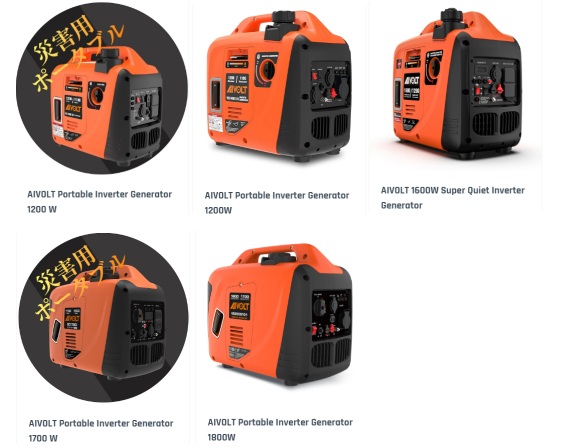
1. Small Wattage (1000W-2000W)
These generators prioritize portability, quiet operation and low fuel use. They suit solo or two-person outdoor trips and emergency charging with minimal power demands.
Compatible devices include resistive loads like phones, laptops, camping lights, small projectors and power banks. Small inductive loads such as mini refrigerators (under 50L), small fans and low-power air pumps also work.
Applicable scenarios cover outdoor camping or picnics to power lighting, entertainment and food preservation tools. They handle emergency charging for phones, computers and routers during home outages. They support small-scale office work or outdoor live streaming and vehicle emergencies like charging car refrigerators.
Core advantages are exceptional portability (5-10kg, one-hand carry) and quiet energy efficiency (under 50dB). Low fuel consumption (0.5-1L/hour) enables 8-12 hours of continuous use.
Considerations: They cannot power high-wattage devices. Check peak wattage for small inductive load compatibility.
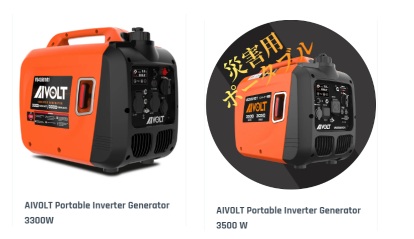
2. Medium Wattage (2 000W-3 500W)
This range provides an optimal mix of power and portability, satisfying home emergency needs as well as multi-person outdoor excursions or small scale work projects. It’s the market’s go-to choice.
Compatible household devices include core household appliances like refrigerators (under 200L), TVs and lighting, along with outdoor equipment like RV appliances and camping electronics; RV accessories also work just fine as do small tools such as electric drills.
Situations when backup power systems come in handy include home power outages to operate essential appliances and multi-person camping trips, small construction sites or outdoor events such as weddings or irrigation.
Core advantages are its practicality in meeting 80% of common needs, its balanced portability (10-20kg with wheels) and long-term operation (15-18 hours continuous use with adequate peak wattage for inductive loads.
Considerations: They cannot power heavy-duty devices. To extend their useful lifespan and ensure safe home usage, avoid simultaneously switching on multiple inductive loads at the same time. This will increase their useful life while simultaneously starting them increases potential safety risks.
3.Large Wattage (3500W-5000W+)
Generators in this range offer high load capacity and output, providing reliable performance when powering high-wattage devices or serving large groups.
Compatible devices include high-wattage appliances like 2-ton air conditioners, electric water heaters and large refrigerators; heavy-duty tools such as welding machines and high-pressure washers work too; even event audio/lighting/small shop equipment can be included as compatible devices.
Applicable scenarios cover construction sites, large outdoor events and comprehensive home emergencies. In addition, they assist small shops or offices during outages.
Core advantages are strong load capacity for multiple high-wattage inductive loads. Expansible capacity via parallel connection (two 3500W units deliver about 7000W). And high stability engines enhance usability.
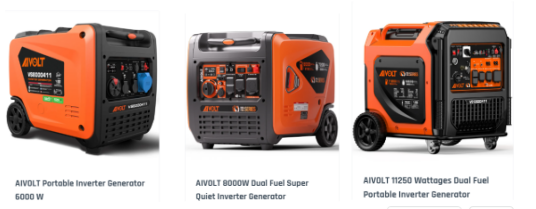
Considerations: Poor portability (20-40kg on wheels) and fuel consumption of 2-4L per hour limit daily use, with noise exceeding 60dB requiring placement away from living areas.
Common Mistakes in Portable Inverter Generator Wattage Selection
Even with accurate calculations and scenario-matching rules in place, people still make errors due to forgetting certain details when making their selection decision. Below are four major pitfalls you should be wary of when purchasing portable inverter generator wattages:
1. Limiting Our Focus to Rated Wattage
This is by far the most frequent mistake made when purchasing generators; many choose generators solely based on total device wattage rating without taking into account startup power needs of inductive loads such as fridges. Even though a 2000W generator appears capable of powering an 1800W refrigerator, 500W TV, and 300W lighting (1800W total), its peak wattage may actually surpass 2500W which may result in failure to start.
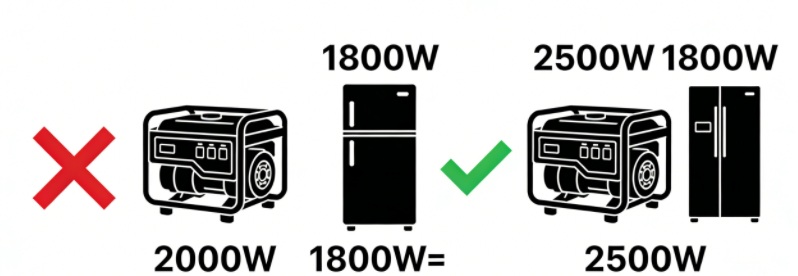
Tip: Prioritize maximum startup power when selecting your generator’s peak wattage; this should meet or surpass its reserve margin plus any applicable constraints.
2. Failing to Reserving Power Margin and Running Full Load
To eliminate “waste,” some generator owners select generators with exact matching wattage of device total power or run them at full load for extended periods, which causes overheating engines, increased oil consumption and potential voltage fluctuations that damage sensitive electronics. This can result in engine overheating, excessive oil use and potential voltage fluctuation damage to sensitive electronic equipment.
Tip: Always account for a 20%-30% margin when selecting a generator to power 1500W total load; to do this, choose one with at least 2000W rated wattage rating.
3. Ignoring Portability/Fuel Use
Many assume “bigger is better,” yet high-wattage generators tend to be heavy, cumbersome and inefficient when it comes to portability and fuel use. A 5000W+ model may be difficult to transport for home emergencies or camping and consumes far more fuel than smaller generators – even when used only to charge devices like phones.
Tip: Assign priority to key scenarios first. A 2000W-3500W generator should meet most home needs; larger wattage generators may not be necessary on an everyday basis.
4. Ignoring Parallel Function and Missing Expansion Flexibility
Consumers who currently need 2000W but anticipate their needs could reach 3500W can waste fuel by purchasing an unnecessary 3500W generator now, incurring unnecessary fuel consumption right now. Parallel-compatible models allow pairing two small generators (e.g. two 2000W units for 4000W total output) together in parallel mode to expand power and increase flexibility over time.
Summary
The core of selecting the wattage for a portable inverter generator lies in “clarifying your needs first, then matching the power”—rather than blindly pursuing “bigger is better” or “cheaper is better.” AIVOLT offers portable inverter generators across a full range of wattages. Explore AIVOLT today to find the perfect model tailored to your power requirements!