
Why Noise Level Matters for Home Backup Generators
The power output of a home backup generator serves as the primary attribute that customers examine first during their purchasing process. How many watts can it handle? Will it power the refrigerator together with the lights and the air conditioning system?
People consider noise level only after they complete their initial assessments of equipment.
That’s a mistake. Generator noise presents equal importance to power capacity for most homes located in residential areas. People who use the generator will experience its noise effects on their comfort, safety, and legal standing, which will determine if they want to use it during emergencies.
Let’s break down why noise level isn’t just a “nice to have,” but a core factor in choosing the right home backup generator.
Noise Directly Affects Where You Can Use the Generator
Noise will directly affect the location where you use the generator.
Most homeowners have limited space. Backup generators are usually placed in the backyard, side yard, driveway or near the house. The closer the generator is to the residential area, the more noticeable the noise will be.
A noisy generator might force you to make compromises:
- You might need to place it in a more distant location, which means you will need a longer extension cord and there is a risk of voltage drop.
- In some places, it is simply impossible to use them because the noise will be reflected off the walls or fences.
- Operating the generator at night becomes impractical.
Therefore, the quieter generator enables you to place it more flexibly. Placing it closer to the house can also keep it within a comfortable noise level.
Noise Matters More During Long Power Outages
If the power outage lasts for 8 hours, 12 hours or even 24 hours, the fatigue caused by the noise will become very obvious.
Continuous engine noise will disturb sleep, especially at night, and also make it more difficult to have conversations indoors. This is precisely the drawback of many traditional open generators. Even if they operate mechanically well, their noise levels will make prolonged use uncomfortable. However, quieter inverter generators can operate continuously without making you feel like you are living next to a construction site.
Noise Restrictions and the Risk of Complaints
In suburban areas and densely populated residential zones, the noise from the generator will not only affect you.
Even if you think the noise is acceptable, your neighbors might not share that opinion. During a prolonged power outage, the generator may operate continuously for several hours or even days. This also increases the likelihood of noise complaints.
Some homeowners associations (HOAs) and local governments have specific noise restrictions, especially during the night. Exceeding these limits may result in warnings or fines.
Here is a rough comparison of noise levels to help you better understand the noise issue:
| Sound Source | Approx. Noise Level (dB) |
| Normal conversation | ~60 dB |
| Quiet inverter generator | ~50–60 dB |
| Traditional open-frame generator | 70–90 dB |
| Lawn mower | ~90 dB |
A generator in the 50–60 dB range blends into normal neighborhood noise. Once you move above 70 dB, it becomes intrusive very quickly.
Noise Level Often Reflects Overall Build Quality
The level of noise usually reflects the overall manufacturing quality.
Noise control is the result of the combined efforts of multiple design solutions.
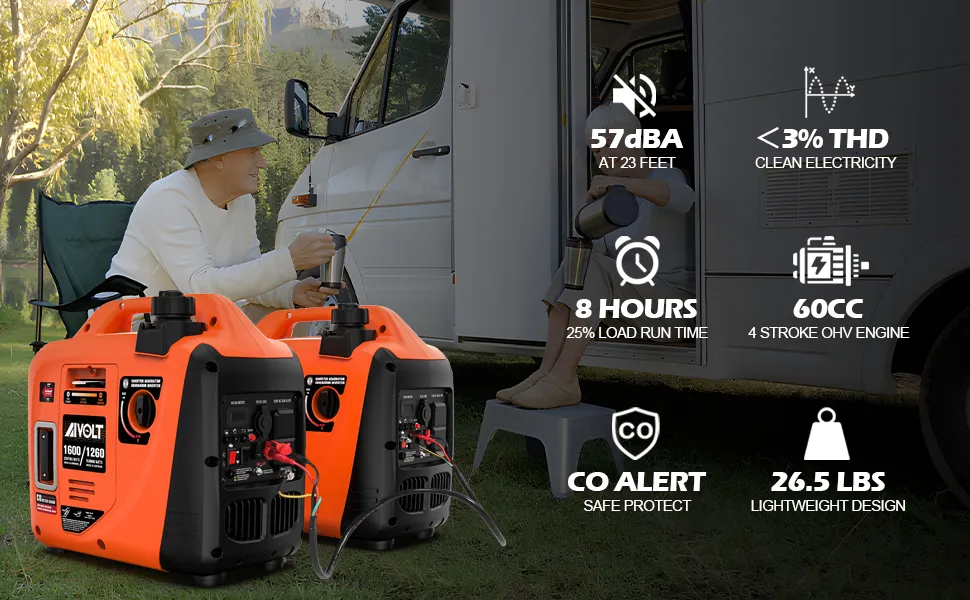
Quieter generators typically employ more optimized engine tuning, fully or semi-enclosed frame designs, improved muffler designs, vibration isolation measures, and load control based on inverters. These features also contribute to smoother operation, higher fuel efficiency, and more stable power output.
Although the noise level itself should not be the sole criterion for judging quality, excessive operating noise usually indicates an outdated design or insufficient optimization of the generator.
Why Inverter Generators Make a Difference at Home?
The inverter generator can adjust the engine speed according to the load requirements. When you only need a small amount of power – such as charging equipment, lighting or running a refrigerator – the engine speed will decrease.
This directly reduces the noise.
Traditional generators usually operate at a constant high speed regardless of the load. Even if the electricity demand is very low, the noise is still very loud.
For household backup power sources, since the load fluctuates over time, the inverter technology plays an important role in reducing noise.
Noise Level Is Part of Reliability
A reliable home backup generator isn’t just about producing power—it’s about how well it fits into everyday life during an outage.
In real home use, excessive noise is a problem. Loud generators, even if technically reliable, are harder to live with, harder to place, and more likely to cause complaints. That’s why noise level should be considered part of overall reliability.
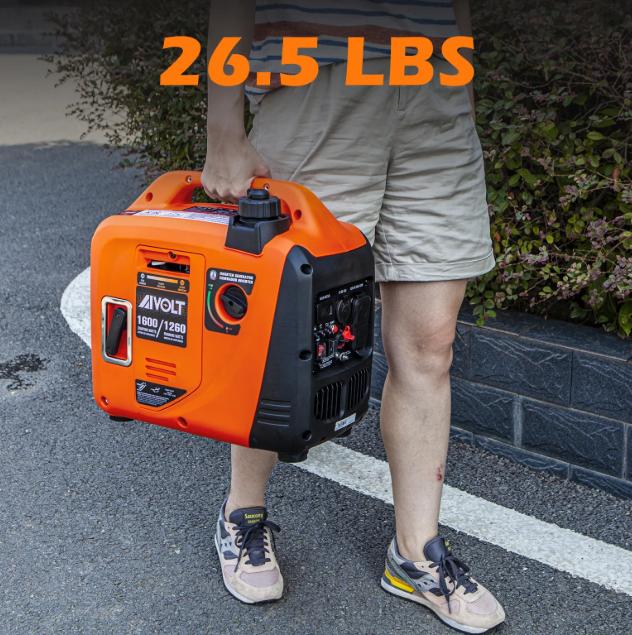
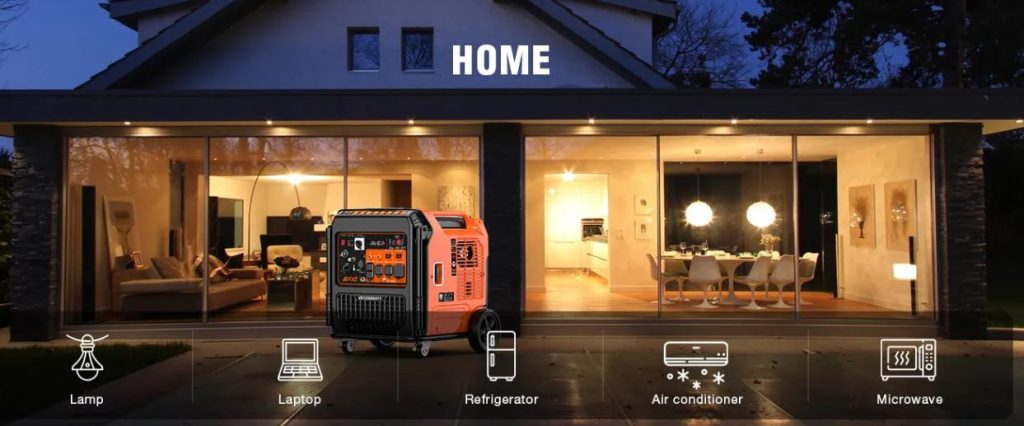
The AIVOLT 1600W Super Quiet Inverter Generator is designed specifically for home environments. Its inverter technology adjusts engine speed based on load, helping reduce unnecessary noise, while the enclosed structure and optimized muffler design keep operation smooth and controlled. The result is dependable backup power without the constant disturbance.
If you want a compact, quiet, and practical backup power solution for home use, explore the AIVOLT 1600W Super Quiet Inverter Generator to see how it fits your needs.
Visit AIVOLT Group to learn more and view full specifications.